
Yoga for Stress: The Power of Inner Peace
Yoga can effectively reduce stress by combining physical movement and mindful breathing techniques. Incorporating yoga into your daily routine can help alleviate stress and promote overall well-being.
In today’s fast-paced and demanding lifestyle, stress has become a common issue affecting many people. Constant exposure to stress can have detrimental effects on physical and mental health. Fortunately, yoga provides a powerful solution for managing stress and its negative impacts.
Table of Contents
By practicing yoga, individuals can engage in physical movement and deep breathing exercises that help activate the body’s relaxation response. This response helps reduce stress hormones and promote a sense of calm and balance. Furthermore, yoga encourages mindfulness and self-awareness, allowing individuals to better cope with stress in their daily lives. Adding yoga to your routine can be a valuable tool for stress management and enhancing overall well-being.
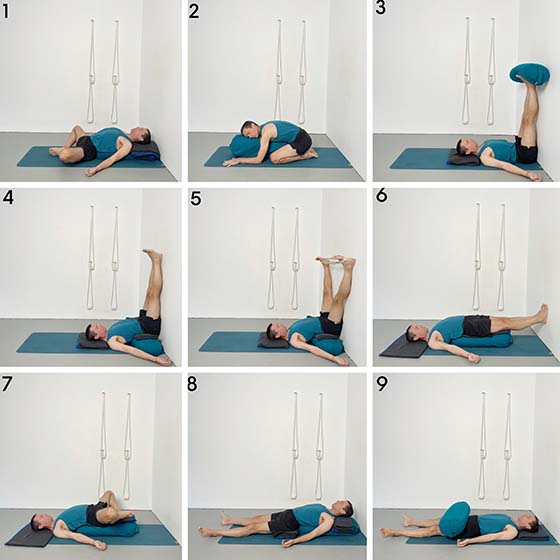
Credit: yogaselection.com
Understanding Stress And Its Impact
Discover the powerful effects of yoga as a stress-relieving practice. Explore how incorporating yoga into your routine can help reduce stress and improve overall well-being. Let yoga guide you towards a calmer mind and a more balanced life.
The Physiological And Psychological Effects Of Stress:
- Stress triggers a range of physiological responses in the body, including increased heart rate, elevated blood pressure, and heightened levels of stress hormones such as cortisol. These changes can have detrimental effects on our physical health.
- The psychological impact of stress can manifest in various ways, such as irritability, anxiety, depression, and difficulty in managing emotions. Prolonged exposure to stress can even lead to chronic mental health conditions.
Exploring The Link Between Stress And Mental Health:
- Stress and mental health are closely interconnected. High levels of stress can exacerbate existing mental health issues and even contribute to the development of new ones.
- Chronic stress has been associated with an increased risk of conditions like anxiety disorders, depression, and post-traumatic stress disorder (ptsd). It can also worsen symptoms for individuals already living with these conditions.
How Stress Affects Our Overall Well-Being:
- Stress impacts not only our mental health but also our overall well-being. It can disrupt sleep patterns, leading to insomnia or poor quality sleep, which in turn affects our energy levels and cognitive function.
- Excessive stress levels can impair our immune system, making us more susceptible to infections and illnesses. It can also contribute to the development of chronic diseases such as cardiovascular disorders, digestive issues, and autoimmune conditions.
- Stress can disrupt our social relationships, causing difficulties in communication and straining personal connections. It can also hinder our ability to concentrate and perform effectively in our daily tasks, both at work and in personal life.
By understanding the physiological and psychological effects of stress and recognizing the link between stress and mental health, we can better comprehend how stress impacts our overall well-being. Incorporating stress-reducing practices like yoga into our routine can be essential in managing stress levels and promoting a healthier and more balanced life.
Benefits Of Yoga For Stress Relief
Yoga offers a natural and effective way to alleviate stress. Through mindful movement and deep breathing, yoga promotes relaxation, reduces anxiety, and helps restore inner calmness.
Yoga has long been celebrated for its ability to address various physical and mental needs, including stress management. If you’re seeking ways to find peace and serenity in the midst of a chaotic world, incorporating yoga into your routine can be immensely beneficial.
Here are the key advantages of practicing yoga for stress relief:
Enhancing Mindfulness And Self-Awareness:
- Practicing yoga promotes mindfulness, which involves paying attention to the present moment.
- Mindfulness allows you to become more aware of your thoughts, emotions, and physical sensations.
- This increased self-awareness helps you identify triggers and patterns that contribute to your stress levels.
- By cultivating mindfulness through yoga, you can develop better coping mechanisms and reduce the impact of stress on your well-being.
Improving Physical And Mental Flexibility:
- Yoga involves a series of gentle stretches, poses, and movements that enhance physical flexibility.
- Regular practice can improve muscle strength and balance, reducing tension and promoting relaxation.
- Physically, yoga increases blood flow and oxygenation, thereby reducing the physical symptoms of stress.
- Mentally, yoga fosters flexibility by encouraging open-mindedness and adaptability, minimizing the negative effects of stress on mental clarity and decision-making.
Promoting Relaxation And Reducing Anxiety:
- Yoga incorporates various relaxation techniques such as deep breathing, guided meditation, and conscious relaxation.
- These practices activate the parasympathetic nervous system, helping your body enter a state of relaxation.
- Regular participation in yoga can reduce the production of stress hormones like cortisol and adrenaline.
- By reducing anxiety and promoting relaxation, yoga provides a powerful antidote to the modern stressors that plague our daily lives.
Remember, incorporating yoga into your routine for stress relief is not a quick fix. Consistency and commitment are key to experiencing the long-term benefits. Give yourself the gift of time, patience, and self-compassion as you embark on this transformative journey.
Through enhanced mindfulness, improved flexibility, and heightened relaxation, yoga can become a powerful tool for managing stress and achieving inner peace.
Yoga Poses For Stress Relief
Relieve stress with yoga poses designed to relax the mind and body, promoting a sense of calm and tranquility. These stress-relieving yoga poses can help alleviate tension and promote overall well-being.
Child’S Pose: Finding Comfort And Calmness
Child’s pose is a gentle yoga pose that promotes relaxation and stress relief by helping you find comfort and calmness. Here’s how you can practice it:
- Start by kneeling on the floor, with your knees hip-width apart and your toes touching.
- Slowly lower your torso towards the mat, while keeping your arms extended in front of you.
- Rest your forehead on the floor and relax your neck and shoulders.
- Take deep breaths in and out, focusing on releasing tension from your body.
- Stay in this position for a few minutes, allowing yourself to surrender to the pose and embrace a sense of inner peace.
Corpse Pose: Achieving Deep Relaxation
Corpse pose, also known as savasana, is often practiced at the end of a yoga session to achieve deep relaxation and relieve stress. Here’s how you can do it:
- Lie down on your back with your legs extended and arms relaxed at your sides.
- Close your eyes and take slow, deep breaths, allowing your body to sink into the mat.
- Relax each part of your body, starting from your toes all the way up to your head.
- Focus on releasing any tension or stress, letting go of any thoughts or worries that may arise.
- Stay in this pose for about 5-10 minutes, enjoying the sensation of complete relaxation and rejuvenation.
Tree Pose: Cultivating Balance And Stability
Tree pose, or vrksasana, is a standing yoga pose that helps cultivate balance and stability both physically and mentally. Here’s how you can practice it:
- Start by standing tall with your feet hip-width apart and arms by your sides.
- Shift your weight onto your left foot and lift your right foot off the ground.
- Place the sole of your right foot on your left inner thigh or calf, avoiding the knee joint.
- Find your balance and bring your hands together at your heart center.
- Engage your core muscles and lengthen your spine, finding a steady gaze in front of you.
- Take deep breaths and feel rooted like a tree, finding stability and inner peace.
- Switch sides and repeat the pose on the other leg.
Downward Facing Dog: Releasing Tension And Invigorating The Body
Downward facing dog, or adho mukha svanasana, is a classic yoga pose that helps release tension and invigorate the body. Here’s how you can do it:
- Start on all fours with your hands shoulder-width apart and knees hip-width apart.
- Lift your hips up towards the ceiling, straightening your arms and legs.
- Press your heels towards the mat, lengthening your spine and creating an upside-down “v” shape with your body.
- Relax your head and neck, allowing them to hang freely.
- Take deep breaths, feeling the stretch and release in your shoulders, hamstrings, and back.
- Hold this pose for several breaths, enjoying the energizing sensation it brings to your body.
By incorporating these yoga poses into your routine, you can find relief from stress and cultivate a sense of calmness, balance, and relaxation. Take the time to connect with your body and breath, and discover the transformative power of yoga for stress relief.
Breathing Techniques For Stress Reduction
Discover the power of yoga in reducing stress with effective breathing techniques. These techniques help calm the mind and relax the body, promoting a sense of well-being and inner peace. Say goodbye to stress and embrace a healthier, happier life through the practice of yoga.
Diaphragmatic Breathing: Connecting With The Breath
- Diaphragmatic breathing, also known as belly breathing or deep breathing, involves engaging the diaphragm to take slow and deep breaths. This technique helps calm the nervous system and reduce stress levels.
- To practice diaphragmatic breathing, sit or lie down in a comfortable position, placing one hand on your belly and the other on your chest.
- Inhale deeply through your nose, allowing your belly to rise as you fill your lungs with air.
- Exhale slowly through your mouth, feeling your belly deflate as you release the breath.
- Continue this pattern, focusing on the gentle rise and fall of your belly with each breath.
Alternate Nostril Breathing: Balancing Energy And Calming The Mind
- Alternate nostril breathing is a powerful technique that helps balance the energy in the body and promote a sense of calmness and mental clarity.
- Sit comfortably with a straight spine and close your eyes.
- Lift your right hand and use your right thumb to close your right nostril.
- Inhale deeply through your left nostril, then close it with your right ring finger.
- Open your right nostril and exhale slowly.
- Inhale through your right nostril, then close it again.
- Release your left nostril and exhale.
- This completes one round of alternate nostril breathing. Repeat for a few minutes, focusing on the flow of breath through each nostril.
Ujjayi Breathing: Channeling Heat And Channeling Stress
- Ujjayi breathing, also called “ocean breath,” is a breathing technique used in yoga to create heat in the body and relieve stress.
- Sit or lie down comfortably, closing your eyes and taking a moment to relax.
- Inhale deeply through your nose, slightly constricting the back of your throat to create a gentle, audible hissing sound.
- Exhale through your nose with the same constriction, maintaining the sound and feeling of the breath.
- The ujjayi breath should be slow, steady, and full, engaging your diaphragm as you breathe.
- Focus on the sound and sensation of the breath, allowing it to warm and rejuvenate your body, while letting go of any stress or tension.
Yoga Practices For Deeper Inner Peace
Discover a range of yoga practices designed to alleviate stress and cultivate deeper inner peace. Through mindful movement, breathwork, and meditation, you can find relief from the pressures of daily life and embrace a more serene state of being.
Yoga has long been revered as a powerful tool for relieving stress and promoting inner peace. By combining physical postures, breathwork, and meditation, yoga offers a holistic approach to achieving a state of calm and tranquility. In this blog post, we will explore three yoga practices that are particularly effective in cultivating deeper inner peace.
These practices include yoga nidra, kundalini yoga, and bhakti yoga.
Yoga Nidra: Guided Meditation For Relaxation And Tranquility
Yoga nidra, also known as yogic sleep, is a powerful practice for deep relaxation and self-discovery. This practice involves lying down in a comfortable position and following a guided meditation. Here are some key aspects of yoga nidra that can lead to a deeper sense of inner peace:
- Body awareness: Yoga nidra encourages you to scan your body, bringing awareness to different parts and consciously releasing any tension or discomfort.
- Breath awareness: Focusing on the breath helps calm the mind and brings you into the present moment, enhancing relaxation and allowing for a deeper sense of peace.
- Visualization: Guided visualizations during yoga nidra can help cultivate positive emotions, create a sense of safety and ease, and activate the body’s healing response.
- Intention setting: By setting a sankalpa or positive intention at the beginning of a yoga nidra practice, you can tap into the power of your subconscious mind to promote healing, inner growth, and peace.
Kundalini Yoga: Awaken Your Inner Energy And Emotional Release
Kundalini yoga is a dynamic practice that combines breathwork, movement, meditation, and chanting to awaken the dormant spiritual energy within. This practice can be particularly effective in releasing emotional blockages and cultivating inner peace. Here’s what makes kundalini yoga a powerful tool for finding peace within:
- Breath of fire: This rapid, rhythmic breath helps clear stagnant energy, release tension, and stimulate the flow of vital life force energy, creating a sense of balance, harmony, and inner calm.
- Kriyas: Kundalini yoga incorporates various kriyas or specific sequences of postures, movements, and breathwork, which help release emotional energy and bring about a sense of deep relaxation and peace.
- Mantras and chanting: Chanting sacred mantras during kundalini yoga can shift your vibrational frequency, quiet the mind, and connect you to a deeper sense of peace and inner stillness.
- Meditation: Kundalini yoga includes a wide range of meditation techniques, such as silent meditation, chanting meditations, and guided meditations, all of which can help calm the mind, reduce stress, and cultivate inner peace.
Bhakti Yoga: Connecting To The Divine Through Devotion And Surrender
Bhakti yoga is the path of love, devotion, and surrender. By cultivating a deep connection with the divine, practitioners of bhakti yoga can experience profound inner peace. Here are some key practices of bhakti yoga that can help you cultivate a sense of peace and unity:
- Kirtan: Kirtan, the devotional chanting of mantras and sacred songs, allows you to transcend the limitations of the mind and experience a state of bliss and peace.
- Prayer: Offering heartfelt prayers and surrendering your worries and fears to a higher power brings a sense of relief, trust, and peace.
- Seva: Serving others selflessly and with love not only helps alleviate suffering but also brings a deep sense of inner fulfillment and peace.
- Sacred rituals: Engaging in sacred rituals, such as lighting candles, burning incense, or creating an altar, can create a sacred space that serves as a reminder of the divine presence, fostering a sense of peace and connectedness.
By incorporating these yoga practices into your routine, you can tap into their transformative power and experience a deeper sense of inner peace. Whether it’s through the deep relaxation of yoga nidra, the awakening of energy in kundalini yoga, or the devotion and surrender of bhakti yoga, these practices can guide you on your journey towards finding peace within.
Embrace the transformative potential of yoga and empower yourself to live a life of calm, balance, and serenity.
Integrating Yoga Into Your Daily Routine
Integrate yoga into your daily routine to manage stress effectively. This ancient practice offers calming techniques to bring balance and tranquility to your mind and body. Transform your life by incorporating yoga as a natural remedy for stress relief.
Yoga can be a powerful tool in managing stress and promoting overall well-being. By incorporating yoga into your daily routine, you can experience the numerous benefits it has to offer. Here are three key ways to seamlessly integrate yoga into your day:
Creating A Dedicated Space For Your Practice:
- Find a quiet and peaceful area in your home where you can practice yoga undisturbed. Dedicate this space solely to your yoga practice.
- Decorate your practice space with calming elements such as candles, plants, or inspirational quotes to create a serene atmosphere.
- Keep your yoga mat and any props you use nearby, making it easy to access and ready for your daily practice.
Establishing A Consistent Yoga Routine:
- Set aside a specific time of day that works best for you to practice yoga. This could be in the morning to start your day or in the evening to unwind and relax before bed.
- Start with shorter yoga sessions and gradually increase the duration as you become more comfortable and consistent with your practice.
- Create a yoga schedule or use a mobile app to track your progress and hold yourself accountable.
Combining Yoga With Other Stress Management Techniques:
- Pair yoga with deep breathing exercises to enhance relaxation and reduce stress. Practice pranayama, a yogic breathing technique, during your yoga sessions.
- Consider incorporating meditation into your routine to further calm the mind and promote mental clarity.
- Explore other stress management techniques such as journaling, aromatherapy, or listening to soothing music, and combine them with your yoga practice for a holistic approach to stress relief.
By following these suggestions, you can seamlessly integrate yoga into your daily routine, maximizing its benefits for stress reduction and overall well-being. Take the time to create a dedicated space, establish a consistent routine, and combine yoga with other stress management techniques.
You’ll be on your way to experiencing a calmer mind, a more relaxed body, and a better-balanced life.
Tips For Beginners Starting Yoga For Stress Relief
Embark on a journey towards stress relief through yoga with these essential tips for beginners. Discover the transformative power of yoga in reducing stress and cultivating a sense of inner calmness, while simultaneously enhancing your physical and mental well-being.
Starting your yoga journey for stress relief can be an exciting and transformative experience. Whether you’re a complete beginner or have some experience with yoga, there are essential tips to keep in mind to ensure a safe and effective practice.
This section will provide you with valuable guidance on how to start your yoga journey for stress relief.
Start With Gentle And Beginner-Friendly Yoga Classes:
- Look for yoga classes specifically designed for beginners or those labeled as gentle or restorative.
- These classes typically focus on slow-paced movements, gentle stretches, and relaxation techniques.
- Starting with gentle yoga classes will help you build strength, flexibility, and body awareness without overwhelming yourself.
Listen To Your Body And Modify The Poses As Needed:
- Pay attention to how your body feels during each pose and respect its limits.
- If a pose feels painful or uncomfortable, modify it or skip it altogether.
- Yoga is a personal practice, and it’s essential to honor your body and work within your own comfort zone.
- Props such as blocks, straps, or blankets can be useful for modifying poses and providing support.
Seek Guidance From A Qualified Yoga Instructor:
- Find a qualified yoga instructor who specializes in stress relief or has experience working with beginners.
- A knowledgeable instructor will guide you through proper alignment and provide modifications when necessary.
- They can also offer personalized advice and recommendations based on your specific needs and limitations.
Incorporating these tips into your yoga practice will help you establish a strong foundation and set you up for a successful and beneficial journey towards stress relief. Remember to be patient with yourself, listen to your body, and enjoy the process as you discover the incredible benefits of yoga.
Frequently Asked Questions Of Yoga For Stress
How Does Yoga Help In Reducing Stress?
Yoga helps in reducing stress by activating the relaxation response in our body, reducing cortisol levels, and promoting a sense of calm. Through a combination of physical postures, breath control, and meditation, yoga helps to release tension, improve mindfulness, and balance the nervous system.
Can Yoga Be Effective For Managing Chronic Stress?
Yes, yoga can be highly effective for managing chronic stress. It helps to regulate the stress response, lower blood pressure, and increase resilience. Regular practice of yoga improves self-awareness, promotes relaxation, and enhances overall well-being, making it a valuable tool in dealing with chronic stress.
Are Specific Yoga Postures More Beneficial For Stress Relief?
Certain yoga postures, such as child’s pose, standing forward fold, and legs-up-the-wall pose, are particularly beneficial for stress relief. These poses help to release tension in the body, calm the mind, and activate the parasympathetic nervous system, inducing a state of relaxation and reducing stress levels.
Conclusion
Yoga is a powerful tool for managing stress. By incorporating a regular yoga practice into your life, you can experience both physical and mental benefits. The stretching and gentle movements of yoga help to release tension in the body, while deep breathing exercises calm the mind.
This combination promotes relaxation and reduces the production of stress hormones. Additionally, the focus on mindfulness during yoga practice can help you become more aware of your thoughts and emotions, allowing you to better manage stress triggers. Moreover, yoga provides a time for self-care and self-reflection, allowing you to prioritize your well-being in a busy world.
Whether you are a beginner or an experienced yogi, there is a style of yoga that can suit your needs and help you find balance amidst the chaos of everyday life. So why wait? Start your yoga journey today and discover the transformative power of this ancient practice for yourself.

