
Meal Planning for Fitness: Master Your Nutrition Game!
Meal planning for fitness is essential as it helps in achieving your fitness goals efficiently through a well-balanced and nutritious diet. By planning your meals in advance, you can ensure that you are consuming the right amount of proteins, carbs, and fats to support your workouts and promote muscle growth.
It also helps in controlling your calorie intake and avoiding unhealthy food choices. Meal planning can be done by creating a weekly menu, preparing meals in advance, and incorporating variety in your diet. It is important to consult with a nutritionist or dietitian to determine your specific dietary needs and make adjustments accordingly.
Table of Contents
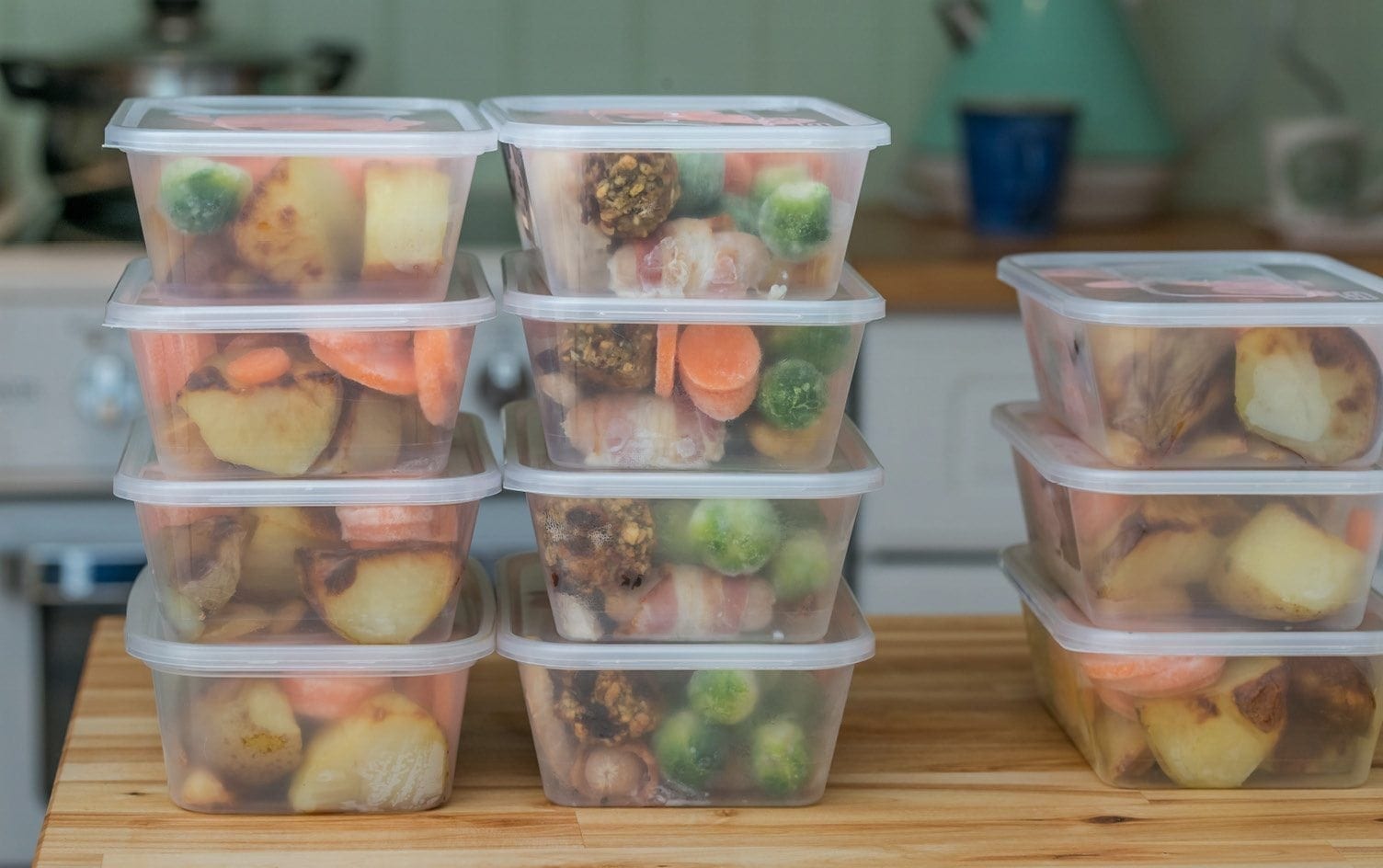
Credit: blog.myfitnesspal.com
The Importance Of Meal Planning For Fitness
Meal planning is essential for fitness as it allows you to meet your nutritional goals and maintain a healthy lifestyle. It helps you control your calorie intake, manage portion sizes, and ensure you have the right balance of nutrients for optimal performance and recovery.
With a well-thought-out meal plan, you can stay on track with your fitness goals and fuel your body properly.
Meal planning is a crucial aspect of any fitness journey. It involves making a conscious effort to organize and prepare your meals in advance, ensuring you have nutritious and well-balanced options readily available. By taking the time to plan your meals, you can set yourself up for success and stay on track with your fitness goals.
Let’s explore the significance of meal planning for fitness in more detail:
Benefits Of Meal Planning For Fitness Goals
Meal planning offers a multitude of benefits when it comes to achieving your fitness goals. Here are some key advantages to consider:
- Consistency: By planning your meals ahead of time, you establish a consistent eating routine that supports your fitness goals. Eating regular, balanced meals can help regulate your metabolism and stabilize your energy levels throughout the day.
- Control over nutrients: Meal planning allows you to have complete control over the nutrients you consume. You can carefully select ingredients and portions that align with your specific dietary needs, such as the right amount of protein, carbs, and healthy fats.
- Saves time: With a well-thought-out meal plan, you can save time during hectic weekdays. By knowing what to cook and having the necessary ingredients readily available, you can avoid last-minute decisions and reduce unnecessary stress.
- Financial savings: Planning your meals in advance helps you eliminate unnecessary spending on takeout or dining out. By grocery shopping strategically and utilizing leftovers effectively, you can save money while still enjoying nutritious meals.
- Reduces temptation: Having a meal plan in place helps you resist the temptation of unhealthy food choices. When you already know what you’ll be eating, it becomes easier to say no to unhealthy snacks or impulse purchases.
- Portion control: Meal planning promotes portion control by allowing you to pre-portion your meals and snacks. This helps prevent overeating and ensures you’re consuming an appropriate amount of calories to support your fitness goals.
- Encourages variety: A thoughtfully planned meal schedule ensures that you incorporate a wide range of nutritious foods into your diet. By diversifying your meals, you can prevent boredom and ensure you’re getting a variety of essential nutrients.
- Boosts motivation: When you have a clear meal plan in place, it can boost your overall motivation and commitment to your fitness goals. Seeing your progress and sticking to your plan can inspire and empower you to keep pushing forward.
Meal planning is an essential component of a successful fitness journey. By embracing this habit, you gain control over your nutrition, save time and money, and stay consistent in your path toward a healthier lifestyle. So, start planning your meals today and enjoy the numerous benefits it brings to your fitness goals.
Understanding Your Nutritional Needs
Understanding your nutritional needs is essential for meal planning for fitness. By identifying the right balance of macronutrients and incorporating whole, nutrient-dense foods, you can optimize your nutrition to support your fitness goals.
Meal planning is a crucial aspect of any fitness journey. Understanding your nutritional needs is the first step towards achieving your fitness goals. By determining your caloric needs and knowing the importance of macronutrients, you can create a meal plan that optimizes your performance and helps you reach your desired outcomes.
Let’s delve deeper into these concepts to guide you in your meal planning journey.
Determining Your Caloric Needs
To kickstart your meal planning, you need to determine your caloric needs. This involves calculating the number of calories your body requires to maintain its current weight or achieve your desired physique. Consider the following factors:
- Basal metabolic rate (BMR): The number of calories your body needs at rest to perform essential bodily functions like breathing and cell production. Calculate your BMR using formulas specific to your gender, age, weight, and height.
- Activity level: Adjusting your caloric needs based on your physical activity level is crucial. Consider your daily workouts, job requirements, and lifestyle. The more active you are, the higher your caloric needs.
- Goals: Whether you want to lose weight, gain muscle, or maintain your current weight, your caloric needs will differ. Understanding your goals will help you tailor your meal plan accordingly.
Macronutrients And Their Importance For Fitness
Macronutrients, including carbohydrates, proteins, and fats, are the foundation of any effective meal plan for fitness. Focusing on these nutrients in the right proportions will fuel your body, aid muscle recovery, and optimize overall fitness. Consider the following:
- Carbohydrates: They provide energy and should form a significant portion of your meals to support physical activity and replenish glycogen stores. Opt for complex carbohydrates like whole grains, fruits, and vegetables.
- Proteins: Essential for muscle building and repair, proteins should make up a substantial portion of your meals. Include lean meats, poultry, fish, dairy products, legumes, and plant-based protein sources.
- Fats: Healthy fats are crucial for hormone production, nutrient absorption, and overall well-being. Incorporate sources like avocados, nuts, seeds, olive oil, and fatty fish into your meal plan.
Examples Of Macronutrient Ratios For Different Goals
Depending on your specific fitness goals, your macronutrient ratios will vary. Here are some examples:
- Muscle gain: Aim for a higher ratio of proteins to support muscle growth and repair. An example ratio would be 40% carbohydrates, 30% proteins, and 30% fats.
- Fat loss: Focus on a lower calorie intake and a higher ratio of proteins and healthy fats. Aim for approximately 40% carbohydrates, 40% proteins, and 20% fats.
- Maintenance: Maintain a balanced diet with an equal ratio of macronutrients—around 35% carbohydrates, 30% proteins, and 35% fats.
Remember, the examples provided are just guidelines, and it’s essential to consult with a nutritionist or dietitian to determine the best macronutrient ratios based on your body, goals, and specific dietary needs.
Understanding your caloric needs and the importance of macronutrients lays the foundation for effective meal planning. Customizing your meal plan to align with your goals and incorporating the right balance of carbohydrates, proteins, and fats will fuel your body optimally and support your fitness journey.
Take the time to calculate your caloric needs and experiment with different macronutrient ratios to find what works best for you. Happy meal planning!
Crafting A Balanced Meal Plan
Crafting a balanced meal plan is crucial for achieving fitness goals. By carefully selecting nutrient-rich foods, planning portions, and considering dietary restrictions, individuals can create a well-rounded meal plan that supports their fitness journey.
When it comes to meal planning for fitness, creating a balanced meal plan is key to fueling your body and reaching your goals. By choosing nutrient-dense foods, incorporating a variety of food groups, and practicing portion control, you can ensure that your meal plan provides the necessary nutrients while promoting weight management and optimal performance.
Let’s dive into these components of crafting a balanced meal plan.
Choosing Nutrient-Dense Foods
To fuel your body effectively, it’s essential to choose foods that are rich in nutrients. Here are some key considerations when selecting nutrient-dense foods for your meal plan:
- Include a variety of fruits and vegetables: These vibrant and colorful foods are packed with essential vitamins, minerals, and antioxidants that support overall health and recovery.
- Prioritize lean proteins: Opt for lean protein sources such as poultry, fish, eggs, and legumes. They provide the necessary amino acids for muscle repair and growth.
- Incorporate whole grains: Whole grains like quinoa, brown rice, and full wheat bread offer fiber, b vitamins, and slow-release carbohydrates for sustained energy levels.
- Include healthy fats: Choose sources like avocados, nuts, seeds, and olive oil to provide essential fatty acids and promote satiety.
Incorporating A Variety Of Food Groups
Ensuring a well-rounded meal plan means incorporating a variety of food groups. This helps to provide a diverse array of nutrients and flavors, making your meals more enjoyable. Consider the following when including different food groups:
- Carbohydrates: Include complex carbohydrates like whole grains, fruits, and vegetables, as well as simpler forms such as dairy products or natural sweeteners.
- Proteins: Incorporate lean meats, fish, poultry, plant-based proteins, and dairy products to meet your protein needs.
- Fats: Include healthy fats from sources like nuts, seeds, avocados, and olive oil, but be mindful of portion sizes.
- Dairy or dairy alternatives: Consider including dairy or options like almond or soy milk, yogurt, or cheese for a source of calcium and other essential nutrients.
- Fruits and vegetables: Aim to include a variety of colorful fruits and vegetables to ensure a broad range of vitamins, minerals, and antioxidants.
Portion Control And Serving Sizes
Portion control is vital for maintaining a balanced meal plan. It helps control calorie intake and ensures you provide your body with adequate fuel. Consider the following tips for portion control:
- Use portion control tools: Measuring cups, food scales, and visual cues can help you understand appropriate serving sizes.
- Fill your plate with nutrient-dense foods: Aim to make half your plate filled with vegetables, a quarter with lean protein, and a quarter with whole grains or starchy vegetables.
- Listen to your body: Pay attention to hunger and fullness cues to avoid overeating. Eat slowly and mindfully to give your body a chance to register satiety.
- Be mindful of energy-dense foods: While it’s okay to include treats and indulgences in moderation, be aware of their calorie content and how they fit into your meal plan.
By following these tips and crafting a balanced meal plan, you can provide your body with the necessary nutrients to support your fitness goals while enjoying a varied and satisfying diet. Remember, consult a registered dietitian or nutritionist for personalized guidance tailored to your needs.
Preparing And Cooking Meals In Advance
Meal planning for fitness involves preparing and cooking meals in advance, allowing individuals to stay on track with their nutritional goals and save time throughout the week. This practice enables individuals to have healthy and balanced meals readily available, promoting a consistent and effective fitness routine.
Meal Prep Tips For Time Efficiency:
- Plan your meals: Take some time to create a weekly meal plan that includes all your breakfasts, lunches, dinners, and snacks. This will help you stay organized and save time during the week.
- Make a shopping list: Once your meal plan is ready, make a detailed list with all the necessary ingredients. This way, you can avoid unnecessary trips to the grocery store and have everything you need on hand.
- Use time-saving appliances: Invest in kitchen appliances like a slow cooker, instant pot, or air fryer, which can help you save time in meal preparation. These appliances can make cooking easier and faster.
- Multitask while cooking: Find tasks you can do simultaneously, such as chopping vegetables for multiple meals or cooking multiple ingredients at once. This will help maximize your time in the kitchen.
- Cook in bulk: Prepare more significant portions of meals to have leftovers for the next day or freeze them for later. This will save you time and ensure you always have healthy meals.
Batch Cooking And Freezing Options:
- Cook in batches: Dedicate one day a week to batch cooking. Prepare larger quantities of meals and divide them into individual serving sizes. This allows for easy grab-and-go options throughout the week.
- Utilize freezer-friendly recipes: Look for recipes stating they can be frozen. These recipes are designed to maintain their quality and taste even after being frozen and reheated.
- Portion and label meals: Once you have cooked them, portion them into individual containers. Label each container with the meal name and date it was prepared. This way, you’ll know how long it has been stored and can quickly grab the desired meal.
- Freezing tips: Allow your cooked meals to cool completely before placing them in the freezer to ensure the best quality. Use freezer-friendly containers or bags to prevent freezer burn. Remove excess air from containers and stack them efficiently to save space.
Storage And Labeling Strategies:
- Organize your fridge: Keep your fridge organized by designating specific shelves or areas for different types of food. This will make it easier to find what you need and avoid wasting time searching.
- Label containers: Use labels or sticky notes to identify the contents of each container. This will make it easier to grab the meal you want without having to open and inspect every container.
- Use clear containers: Choose clear containers for storing your meals. This allows you to easily see what’s inside, preventing confusion and helping you avoid wasting time searching through containers.
- Prioritize meal rotation: When storing your meals, place the most recently prepared ones at the back of the fridge or freezer, and move older meals to the front. This helps ensure all meals are consumed within a reasonable time frame.
Remember, the key to successful meal planning and preparation is finding a routine that works for you. By following these meal prep tips, utilizing batch cooking and freezing options, and implementing storage and labeling strategies, you can save time, stay organized, and ensure you always have nutritious meals readily available.
Creating A Weekly Meal Schedule
Creating a weekly meal schedule is essential for effective meal planning for fitness. Plan out your meals in advance to ensure a balanced and nutritious diet that supports your fitness goals.
Meal planning plays a crucial role in maintaining a healthy and balanced diet, especially when you’re striving to achieve your fitness goals. By creating a weekly meal schedule, you can save time, stay organized, and ensure that your meals align with your personal preferences and dietary restrictions.
Here’s how you can customize your meals, balance them throughout the week, and utilize meal planning tools and apps to simplify the process.
Customizing Meals Based On Personal Preferences And Dietary Restrictions
To make meal planning successful and enjoyable, it’s important to tailor your meals according to your personal preferences and dietary restrictions. Here are some strategies for customizing your meals:
- Consider your taste preferences: Incorporate foods you genuinely enjoy to ensure that your meals are both satisfying and enjoyable.
- Take into account dietary restrictions: If you have any dietary restrictions or allergies, make sure to avoid those ingredients and find suitable alternatives.
- Explore different cuisines: Experimenting with different cuisines can help prevent meal boredom while still meeting your fitness goals.
- Incorporate a variety of macronutrients: Ensure that your meals contain a balance of carbohydrates, proteins, and healthy fats to provide the necessary nutrition for your body.
- Optimize portion sizes: Adjust your portion sizes based on your activity level and fitness goals.
By customizing your meals to suit your preferences and dietary restrictions, you can maintain motivation and long-term adherence to your meal plan.
Balancing Meals Throughout The Week
A well-balanced meal plan is essential for meeting your fitness goals and supporting overall health. Here are some tips to help you balance your meals throughout the week:
- Aim for nutrient density: Include a variety of nutrient-dense foods such as fruits, vegetables, lean proteins, whole grains, and healthy fats.
- Plan for different meal types: Schedule a mix of breakfasts, lunches, dinners, snacks, and post-workout meals to ensure you meet your nutritional needs throughout the day.
- Allocate macronutrients strategically: Distribute your macronutrients (carbohydrates, proteins, and fats) evenly throughout your meals to maintain energy levels and support muscle recovery.
- Incorporate a range of colors: Include foods of different colors in your meals as they provide various vitamins, minerals, and antioxidants.
- Plan for indulgences: Allow yourself occasional treats or indulgences to prevent feelings of deprivation, which can lead to derailment from your meal plan.
By focusing on balance and variety in your meal scheduling, you can ensure optimal nutrition while enjoying a diverse and satisfying diet.
Meal Planning Tools And Apps To Simplify The Process
Meal planning can be made much more efficient and streamlined with the help of various tools and apps. Here are some popular options:
- Meal planning apps: Take advantage of meal planning apps that offer features like recipe libraries, customizable meal plans, and shopping lists.
- Recipe websites: Explore recipe websites that provide filter options for dietary restrictions and ingredients, making it easier to find suitable recipes.
- Cooking communities: Engage with online cooking communities where you can exchange meal planning ideas and discover new recipes.
- Meal delivery services: Consider using meal delivery services that offer pre-portioned ingredients and recipes, saving you time on meal planning and grocery shopping.
- Digital calendars or planners: Utilize digital calendars or planners to create and organize your weekly meal schedule for easy reference.
By leveraging technology and other resources, you can simplify the meal planning process and ensure a successful and enjoyable fitness journey.
With a personalized and balanced weekly meal schedule, tailored to your preferences and dietary needs, you can fuel your body properly while working towards your fitness goals. By incorporating the right tools and apps, the process becomes even more effortless and enjoyable.
So, start planning your weekly meals and embark on a healthier, fitter lifestyle today!
Smart Grocery Shopping For Meal Planning
Discover the secret to efficient meal planning for fitness with smart grocery shopping. Optimize your nutrition and save time by strategically selecting ingredients for your weekly meals.
Creating a well-thought-out meal plan is just the first step towards achieving your fitness goals. The next crucial aspect is smart grocery shopping. By making a shopping list based on your meal plan, having effective tips for navigating the grocery store, and exploring budget-friendly meal planning options, you can save money and make healthier choices.
Making A Shopping List Based On Meal Plan:
- Evaluate your meal plan: Review your meal plan and identify the ingredients you need for each recipe.
- Check your pantry: Take stock of what you already have in your pantry to avoid buying duplicate items.
- Create a categorized list: Organize your shopping list into different categories such as produce, proteins, grains, and dairy, to ensure you don’t miss anything.
- Note quantities: Estimate the quantities required for each ingredient, considering the number of servings and any leftovers you plan to use.
- Stick to your list: Resist temptations and stick to your shopping list to prevent impulsive purchases.
Tips For Navigating The Grocery Store:
- Start in the produce section: Prioritize fresh fruits and vegetables to ensure you get your daily dose of vitamins and minerals.
- Shop the perimeter: The perimeter of the grocery store usually hosts healthier options like fresh produce, meat, and dairy products. Focus on these areas and minimize your time in the processed food aisles.
- Read labels: When selecting packaged items, pay attention to the nutritional information and ingredients list. Choose products with shorter ingredient lists and minimal additives.
- Opt for whole foods: Instead of purchasing pre-cut and pre-packaged items, opt for whole foods. This allows you to have more control over the quality and quantity of your ingredients.
- Shop during off-peak hours: Grocery stores tend to be less crowded during weekdays or early mornings, making it easier to navigate and maintain social distance.
Budget-Friendly Meal Planning Options:
- Buy in bulk: Purchase non-perishable items in bulk to take advantage of discounted prices. This is especially beneficial for pantry staples like grains, legumes, and spices.
- Plan meals around sales: Keep an eye on weekly store flyers and plan your meals based on the items that are on sale. This can help you save money while diversifying your meal options.
- Make use of frozen produce: Frozen fruits and vegetables are cost-effective alternatives to fresh ones and retain their nutritional value. They are also convenient to have on hand as backup ingredients.
- Cook in batches: Prepare larger quantities of meals and portion them out for multiple servings. This saves time and money, as you can utilize leftovers for future meals.
- Incorporate inexpensive protein sources: Consider incorporating affordable protein options like eggs, canned tuna, lentils, and tofu into your meal plan. These options provide necessary nutrients at a lower cost.
By following these smart grocery shopping tips, you can efficiently gather the ingredients you need while staying within your budget. So, get ready to plan your meals, create your shopping list, and embark on a successful journey towards your fitness goals.
Meal Planning For Busy Lifestyles
Meal planning for fitness is an essential tool for busy lifestyles. By strategically organizing meals, individuals can ensure they are consuming the right nutrients to support their fitness goals while saving time and effort in the kitchen. Take the stress out of meal prep and stay on track with your fitness journey.
Maintaining a nutritious diet can be challenging, especially for individuals leading busy lives. However, with proper meal planning, it is possible to stay on track with your fitness goals while juggling a hectic schedule. Here are some practical tips and quick meal ideas to help you stay nourished and energized throughout the day.
Quick And Easy Meal Ideas For Busy Individuals:
- Sheet pan meals: Prepare a complete balanced meal by roasting a variety of vegetables, along with your choice of protein, on a single sheet pan. This saves time on preparation and cleanup.
- Mason jar salads: Layering your favorite salad ingredients in a mason jar can make for a quick and portable meal. Simply add the dressing at the bottom and toss when ready to eat.
- Wrap it up: Opt for whole-grain tortillas or lettuce wraps to create a quick and nutritious meal. Pack them with lean proteins, fresh veggies, and a spread such as hummus or avocado for added flavor.
- Overnight oats: Assemble a jar of overnight oats the night before, combining oats, milk or yogurt, and your favorite toppings such as fruits, nuts, or seeds. In the morning, grab and go for a filling and nutritious breakfast.
Utilizing Convenience Foods Without Sacrificing Nutrition:
- Pre-cut and washed produce: Take advantage of pre-cut fruits and vegetables available at grocery stores. They can save you valuable time during meal preparation without compromising on nutrition.
- Canned or frozen fruits and vegetables: These options are just as nutritious as fresh produce and can be easily incorporated into meals. Ensure to choose ones without added sugars or sauces.
- Rotisserie chicken: Ready-to-eat rotisserie chicken is a convenient protein option that can be used in various recipes, from salads to sandwiches to stir-fries.
Incorporating Leftovers Into Future Meals:
- Repurposing proteins: Transform leftover grilled chicken or steak into a flavorful salad or wrap for the next day’s lunch. This minimizes food waste and adds variety to your meals.
- Meal prepping: When cooking a larger batch of a particular recipe, portion it out into individual containers for easy grab-and-go lunches or dinners throughout the week.
- Stir-fry or fried rice: Leftover vegetables and proteins can be repurposed into a delicious stir-fry or fried rice the next day. Add some soy sauce or other seasonings for an extra burst of flavor.
By incorporating these meal planning strategies into your busy lifestyle, you can enjoy nutritious and delicious meals without sacrificing your fitness goals. With a little bit of planning and creativity, you can fuel your body with the right nutrients and stay on track with your fitness journey.
Adapting Meal Plans For Specific Fitness Goals
Meal planning is crucial for achieving specific fitness goals. By adapting your meal plans, you can ensure your diet supports your fitness objectives, whether it’s building muscle, losing weight, or improving endurance. With careful planning, you can optimize your nutrition and fuel your workouts effectively.
Meal Planning For Weight Loss
- To achieve weight loss goals, it is essential to plan meals that support calorie deficit while providing necessary nutrients. Here are some tips for meal planning for weight loss:
- Prioritize whole, unprocessed foods: Opt for fruits, vegetables, lean proteins, and whole grains to ensure a balanced and nutrient-dense diet.
- Control portion sizes: Use measuring cups or food scales to accurately portion meals and prevent overeating.
- Incorporate lean proteins: Proteins like chicken breasts, fish, and tofu help maintain muscle mass and increase satiety.
- Include fiber-rich foods: Foods high in fiber, such as vegetables and legumes, keep you full for longer and aid digestion.
- Limit added sugars and processed snacks: These can lead to increased calorie intake and hinder weight loss progress.
- Stay hydrated: Drinking enough water throughout the day can help control hunger and prevent overeating.
Meal Planning For Muscle Gain
- Meal planning for building muscle requires a strategic approach to ensure sufficient calorie and nutrient intake. Consider the following guidelines when planning meals for muscle gain:
- Increase calories: To support muscle growth, it’s essential to consume more calories than you burn. Aim for a slight caloric surplus.
- Focus on protein: Include lean protein sources such as chicken, turkey, eggs, and greek yogurt in each meal to provide the necessary amino acids for muscle repair and growth.
- Incorporate healthy fats: Avocados, nuts, and olive oil provide essential fats that help with hormone production and overall health.
- Choose complex carbohydrates: Whole grains, sweet potatoes, and quinoa are great options to fuel workouts and aid muscle recovery.
- Don’t forget vegetables: Include a variety of colorful vegetables to provide essential vitamins, minerals, and fiber for overall health.
- Consider post-workout nutrition: Consuming a balanced meal with protein and carbohydrates within an hour after exercise can enhance muscle recovery and growth.
Meal Planning For Endurance Training
- Fueling your body properly is crucial when training for endurance activities. Here are some key points to consider when meal planning for endurance training:
- Focus on carbohydrates: Carbs should be the primary fuel source for endurance activities. Incorporate whole grains, fruits, and starchy vegetables to provide sustained energy.
- Include lean proteins: Incorporate lean protein sources like chicken, fish, and legumes to support muscle repair and recovery from intense training sessions.
- Don’t forget healthy fats: Include sources of healthy fats such as avocados, nuts, and olive oil to provide additional energy and support overall health.
- Hydrate adequately: Staying hydrated is essential for endurance training. Drink water throughout the day and consider electrolyte-rich beverages during longer workouts.
- Balance pre- and post-training meals: Consume a balanced meal containing carbohydrates and proteins before and after training to optimize performance and aid recovery.
- Listen to your body: Adjust your meal plan based on your training intensity, duration, and individual needs. Experiment and find what works best for you.
Remember, whether you are aiming for weight loss, muscle gain, or endurance training, individual needs may vary. Adjust your meal plans accordingly and consult with a registered dietitian or nutritionist for personalized guidance. Happy meal planning!
Tracking And Adjusting Your Meal Plan
Adjusting and tracking your meal plan is essential for fitness success. By monitoring your intake and making necessary adjustments, you can optimize your nutrition for optimal results. Stay on track and achieve your fitness goals with a well-planned meal plan.
Meal planning is an essential aspect of maintaining a healthy lifestyle and achieving fitness goals. It helps you stay on track and ensures that you are fueling your body with the right nutrients. But meal planning is not a one-size-fits-all approach.
It requires tracking your food intake and making adjustments along the way to align with your specific needs and goals. In this section, we will explore tools and apps for tracking your food intake, as well as how to monitor your progress and make necessary adjustments.
Tools And Apps For Tracking Your Food Intake:
- Myfitnesspal: This popular app allows you to track your calories, macronutrients, and micronutrients effortlessly. It offers a vast database of foods, making it easy to log your meals and snacks. You can also set specific goals and receive personalized recommendations based on your activity level and weight loss goals.
- Fitbit: In addition to tracking your physical activity, fitbit also offers a food tracking feature. It allows you to log your meals and monitor your calorie intake. The app syncs seamlessly with fitbit devices, providing you with a holistic view of your fitness journey.
- Lose it! : This app focuses on calorie tracking and offers a user-friendly interface. It allows you to set goals, track your meals, and connect with a community of like-minded individuals. You can also create meal plans and access personalized insights to help you stay motivated and accountable.
- Cronometer: If you’re looking for a more detailed analysis of your nutrition intake, cronometer is a great option. It tracks macronutrients, micronutrients, and even vitamins and minerals. You can customize your goals and receive feedback on your progress.
Monitoring Progress And Making Adjustments As Needed:
- Weighing scale and measurements: Regularly monitoring your weight and taking measurements can help you track your progress. It’s important to remember that weight alone is not a comprehensive measure of your fitness journey. Inches lost, changes in body composition, and overall well-being are equally important indicators.
- Energy levels and performance: Pay attention to how you feel throughout the day and during workouts. If you notice a decrease in energy or a decline in performance, it may be a sign that your current meal plan needs adjustments. Experiment with different foods and combinations to find what works best for you.
- Consult a nutritionist or dietitian: If you’re unsure about the adjustments to make, seeking professional guidance can be beneficial. A nutritionist or dietitian can assess your specific needs, goals, and preferences. They can create a tailored meal plan and provide ongoing support to help you reach your fitness goals.
- Listen to your body: Ultimately, your body knows best. Pay attention to hunger cues, cravings, and how certain foods make you feel. Use this information to fine-tune your meal plan and make adjustments that align with your body’s needs.
Tracking your food intake and making adjustments to your meal plan are crucial aspects of meal planning for fitness. By utilizing tools and apps, monitoring progress, and listening to your body, you can optimize your nutrition to support your fitness goals effectively.
Remember, consistency and self-awareness are key on this journey to a healthier, fitter you.
Staying Consistent With Your Meal Plan
Maintaining consistency with your meal plan is crucial for fitness success. By sticking to your plan, you can ensure that you are fueling your body with the right nutrients to support your workouts and reach your goals.
Strategies For Staying Motivated And Accountable:
- Set specific and achievable goals: Clearly define what you want to achieve with your meal plan, whether it’s losing weight, building muscle, or improving overall health. This will give you something to work towards and help you stay motivated.
- Plan ahead: Take time each week to plan your meals and create a shopping list. By being prepared, you will save time and energy throughout the week and reduce the temptation to eat unhealthy options.
- Find a meal planning method that works for you: Whether it’s using a meal planning app, writing it down on paper, or creating a spreadsheet, find a system that fits your lifestyle and makes it easy for you to stick to your plan.
- Batch cook and meal prep: Spend a few hours on the weekends preparing meals for the week ahead. This will not only save you time during busy weekdays but also ensure that you have healthy options readily available.
- Involve others: Share your meal plan with family or friends who support your fitness goals. They can encourage and hold you accountable for sticking to your plan.
- Track your progress: Keep a food journal or use a tracking app to monitor your meals, portion sizes, and progress toward your goals. This will help you stay accountable and make adjustments as needed.
Overcoming Challenges And Setbacks:
- Don’t strive for perfection: It’s important to remember that nobody is perfect, and slip-ups are bound to happen. Instead of dwelling on mistakes, focus on getting back on track and making healthier choices moving forward.
- Learn from setbacks: Use setbacks as learning opportunities. Did a busy schedule lead you to reach for fast food? Plan ahead to avoid a similar situation in the future. Reflecting on what went wrong can help you develop strategies for avoiding pitfalls in the future.
- Seek support: Don’t be afraid to reach out to friends, family, or a nutritionist for support and guidance. Having a strong support system can make it easier to navigate challenges and stay motivated.
- Practice self-compassion: Be kind to yourself when facing setbacks. Acknowledge that changing eating habits takes time and effort. Treat yourself with kindness and patience as you work towards your goals.
- Stay positive: Maintaining a positive mindset is crucial when faced with challenges. Focus on the progress you’ve made rather than dwelling on setbacks. Celebrate small victories along the way to keep yourself motivated.
Celebrating Successes And Milestones:
- Reward yourself: When you achieve a milestone or reach a goal, celebrate your success. Treat yourself to something non-food related, such as a new workout outfit or a spa day. This will reinforce your accomplishments and help keep you motivated.
- Share your achievements: Let others know about your progress. Sharing your successes with friends, family, or a supportive online community can provide additional motivation and encouragement.
- Reflect on your journey: Take time to reflect on how far you’ve come and the hard work you’ve put in. This can help boost your confidence and motivate you to continue making healthy choices.
- Set new goals: Once you’ve reached a milestone, set new goals to continue challenging yourself. This will give you something to strive for and maintain your enthusiasm for meal planning and fitness.
- Celebrate with healthy choices: Instead of derailing your progress with unhealthy indulgences, celebrate with healthy and delicious meals. Try a new recipe or treat yourself to a nutritious meal at a restaurant to commemorate your achievements.
Remember, staying consistent with your meal plan requires determination, flexibility, and a positive mindset. Implement these strategies, overcome challenges, and celebrate your successes to ensure long-term success on your fitness journey.
Frequently Asked Questions For Meal Planning For Fitness
What Are The Benefits Of Meal Planning For Fitness?
Meal planning for fitness offers numerous benefits such as providing structure, saving time, promoting mindful eating, ensuring balanced nutrition, and aiding in weight management. By planning your meals in advance, you can maintain a healthy diet that supports your fitness goals and helps you achieve optimal results.
How Can Meal Planning Improve My Fitness Routine?
Meal planning can greatly enhance your fitness routine by ensuring that you have the right fuel to support your workouts. By carefully selecting and preparing your meals in advance, you can optimize your nutrient intake, regulate portion sizes, and avoid unhealthy food choices.
This allows you to maximize your energy levels, improve performance, and enhance your overall fitness progress.
Is Meal Planning Necessary For Weight Loss?
Yes, meal planning is crucial for weight loss as it helps you maintain a calorie deficit and make healthier food choices. By planning your meals in advance, you can control portion sizes, avoid impulsive eating, and ensure that you consume nutrient-dense foods.
This allows you to create a sustainable and balanced diet that supports your weight loss goals.
How Can I Create A Meal Plan For My Fitness Goals?
To create a meal plan for your fitness goals, start by determining your caloric needs and macronutrient requirements. Consider your fitness routine, dietary preferences, and any specific nutritional needs. Then, choose a variety of whole foods that provide the necessary nutrients to support your goals.
Balance your meals with proteins, carbohydrates, and healthy fats, and plan your portions accordingly.
Can Meal Planning Help Me Save Money On Groceries?
Absolutely! Meal planning can help you save money on groceries by minimizing food waste and preventing impulsive purchases. By planning your meals in advance and creating a shopping list, you can avoid buying unnecessary items and only purchase what you truly need.
Additionally, buying ingredients in bulk and opting for seasonal produce can further reduce your grocery expenses.
Should I Prep My Meals In Advance?
Prepping your meals in advance can be a game-changer for your fitness journey. It saves time during busy weekdays and helps you avoid making unhealthy choices when you’re short on time. By dedicating a few hours each week to cook and portion your meals, you can ensure that you always have healthy options readily available, making it easier to stick to your fitness goals.
Conclusion
To sum up, effective meal planning is essential for achieving fitness goals. By incorporating the right combination of macronutrients, portion control, and variety into your meals, you can optimize your efforts in the gym and enhance your overall well-being. With meal planning, you can save time and money while ensuring that your body receives the nutrients it needs to perform at its best.
By preparing meals in advance, you can avoid impulsive food choices and maintain a consistent eating routine. Additionally, meal planning allows for flexibility and customization, catering to individual taste preferences and dietary restrictions. Remember to prioritize nutrient-dense foods and listen to your body’s hunger and fullness cues.
Consistency is key when it comes to meal planning, so make it a habit to regularly review and adjust your plan as needed. By embracing meal planning as part of your fitness journey, you are taking a proactive step towards long-term success and a healthier lifestyle.

