
Discover the Most Popular Indian Girl Names of All Time
Indian girl names are unique and diverse, often reflecting cultural traditions and beliefs. With a population of over one billion people and numerous languages and religions, india boasts a wide range of girl names to choose from.
India is a country of vast diversity and cultural richness, with a colorful history and deep-rooted traditions. One aspect of this diversity can be seen in the plethora of names given to indian girls. These names not only reflect the different languages spoken, but also the various religious and cultural beliefs held throughout india.
From traditional sanskrit names like aarohi and aisha, to regional names such as kaveri and meenakshi, indian girl names are as diverse as the country itself. Choosing a name for a little girl can be a daunting task, but the choices in indian names are sure to provide a wide array of options for parents seeking a meaningful and unique name for their child.
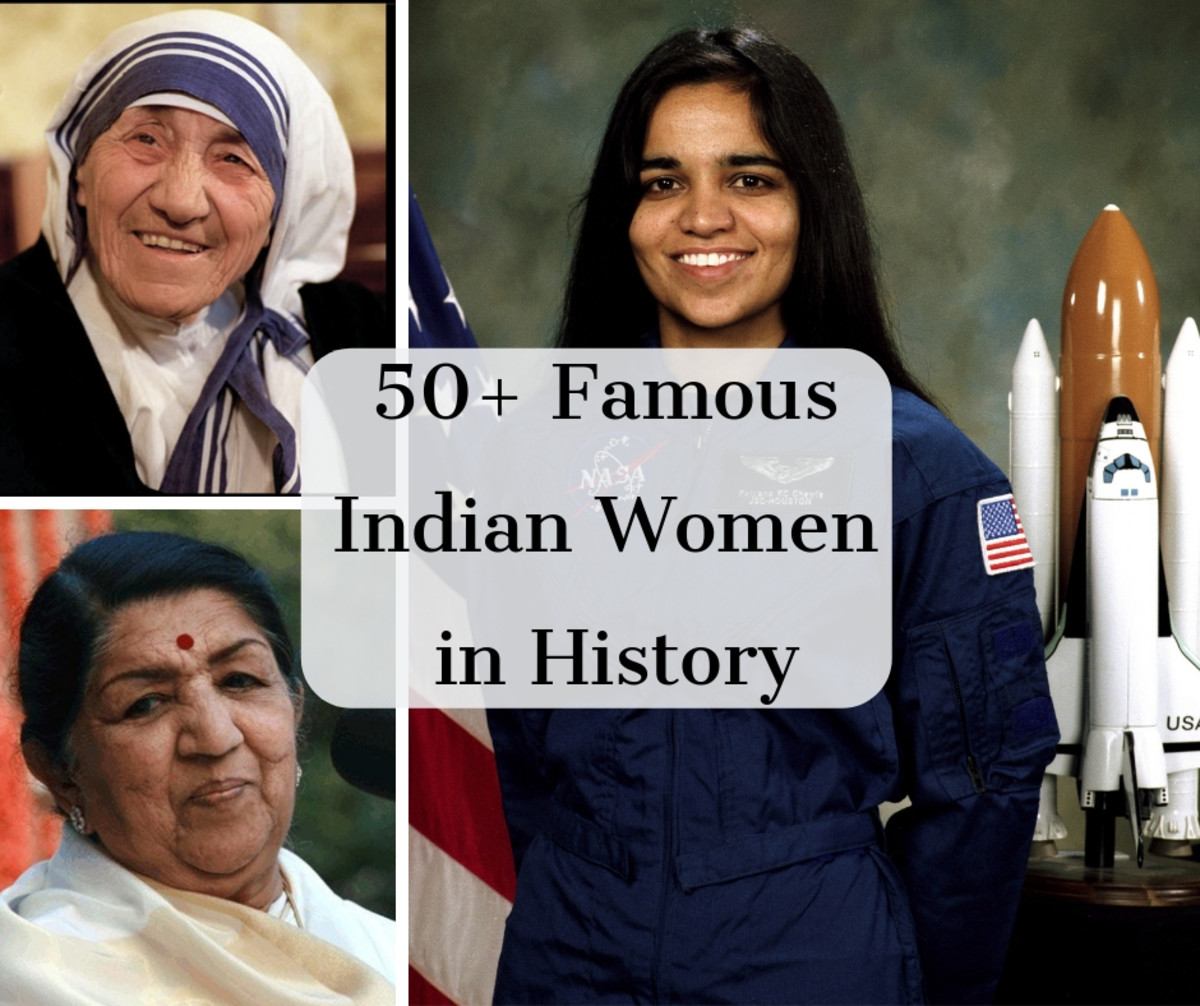
Credit: owlcation.com
The Culture Of Naming In India
Indian Girl Names: The Culture Of Naming In India
In india, naming a child is not just a mere task; it’s an important traditional and cultural practice. There are several unique naming conventions in india that reflect its diverse culture. Let’s dive deeper into the culture of naming in india and understand the traditional naming practices, importance of naming ceremonies, unique features of indian naming, and the evolution of indian naming trends over time.
Overview Of Traditional Indian Naming Practices
Traditional naming practices in india vary depending on the religion, region, and caste of the child. Here are some key points:
- The names of children in india are deeply rooted in tradition and sometimes reflect the family’s ancestry or social status.
- Many families choose names based on the astrological chart, which indicates the child’s personality traits.
- In some cultures, a baby’s name is not revealed until a naming ceremony, which can be held up to 21 days after the baby’s birth.
- It is common for siblings to have similar or even the same first letter in their names in some cultures.
Importance Of Naming Ceremonies In Indian Culture
Naming ceremonies in india hold great significance and value in the culture. Here are some points to understand their importance:
- Naming ceremonies are a celebration of a new life and are considered to be very auspicious in hindu culture.
- The ceremony involves several rituals such as lighting candles, offering prayers, and sharing sweets with family and friends.
- This is also the day when the baby’s name is announced and is often chosen by the grandparents or a family priest.
- The naming ceremony is also a time for family members and close friends to come together and bless the newborn baby.
Unique Features Of Indian Naming Conventions
Indian names are unique and meaningful, and here are some key points that make indian naming stand out:
- It is common practice to use multiple names in india. The first name is the given name, while the second name indicates the caste or surname.
- In some cultures, the name is a combination of the parent’s name, which represents the baby’s lineage.
- Indian names often have a significant meaning and are based on the baby’s birth star sign, spiritual beliefs or deities.
- Some indian names also indicate the day of the week when the baby was born, and others are taken from religious texts.
Evolution Of Indian Naming Trends Over Time
Indian naming trends have evolved over the years, and here are some key points to understand the changes:
- Traditional indian names still hold great value and popularity, but modern indian parents are also opting for unique and trendy names.
- With globalization, indian parents are also choosing names that are inspired by different cultures and countries.
- Shorter names and nicknames are becoming popular, reflecting the fast-paced lifestyle of the modern world.
- Gender-neutral names are also gaining popularity, reflecting the growing acceptance of gender fluidity in society.
Naming a child is an important tradition in indian culture, reflecting its rich heritage and diverse beliefs. The naming conventions in india vary, but they all involve meaning and symbolism that add a deeper significance to the child’s identity.
Popular Indian Girl Names Through The Ages
Historical Context Of Indian Girl Names
India has a rich history, and over the centuries, the country has been home to a diverse range of cultures and civilizations. Indian girl names have evolved over time, just like the country’s history. Here are some key points to consider when examining the historical context of indian girl names:
- India is an ancient civilization, and as such, many indian girl names have their roots in ancient texts and mythology.
- In the past, families would often give their daughters names that reflected their desired qualities or traits. For example, a name like “shanti” means “peace” and would indicate a desire for the child to be calm and serene.
- The caste system has played a significant role in indian society for centuries, and this was reflected in the names given to girls from different castes.
- In pre-colonial india, it was common for girls to be married at a young age, and so many names reflected the idea of femininity and the domestic roles expected of women.
Names Used In Ancient Indian Texts And Mythology
Indian mythology and ancient texts are full of intriguing and beautiful names for girls. Here are some examples:
- Sita: In hindu mythology, sita is the consort of lord rama and is known for her beauty, devotion, and strength of character.
- Draupadi: Draupadi is a character from the ancient indian epic, the mahabharata. She is a strong and powerful woman, and her name means “daughter of drupad.”
- Kunti: Another character from the mahabharata, kunti is the mother of five of the pandavas and is known for her sense of duty and loyalty to her family.
Popular Names In The Middle Ages
During the medieval period in india, the country saw the rise of various dynasties, kingdoms, and empires. Indian girl names during this time often reflected the various cultures and traditions of the different regions. Some popular names from this period include:
- Khushi: This name means “happiness” in hindi and was popular during the mughal empire.
- Sultana: Sultana means “ruler” or “queen.” It was a popular name for girls during the delhi sultanate period.
- Radha: Radha is a popular name in hinduism, and it was particularly popular during the medieval period when the bhakti movement was at its peak.
Names That Emerged During The British Raj
India came under british rule in the 19th century, and during this time, many indians adopted western names or gave their children names that were more anglicized. However, some names also emerged during the british raj that blended indian and british influences.
Some popular names from this period include:
- Victoria: This name was popular during the reign of queen victoria, who was the empress of india from 1876 to 1901.
- Elizabeth: Many indian families gave their daughters the name elizabeth as a way to honor queen elizabeth ii, who remained the queen of india until 1950.
- Cynthia: Cynthia is a greek name that became popular in india during the british raj. It means “moon goddess.”
Contemporary Indian Girl Names
Indian girl names continue to evolve, and there are many beautiful and unique names to choose from today. Some of the most popular contemporary indian girl names include:
- Ananya: Ananya means “unique” or “without equal” in sanskrit. It has become increasingly popular in recent years.
- Aaradhya: This name means “worship” or “devotion” in hindi. It was made famous by the daughter of bollywood star aishwarya rai and has since become increasingly popular in india.
- Sahana: Sahana means “patience” or “endurance” in sanskrit. It is a popular name in southern india.
Although indian girl names have evolved over the years, they continue to hold great significance and meaning for families across india. Whether traditional or contemporary, the names chosen for girls reflect the rich cultural heritage and diversity of the country.
Factors That Influence Indian Girl Names
Indian Girl Names: Factors That Influence Name Choices
Naming a child is a significant decision that requires time and consideration. In india, naming a girl child is a momentous occasion that involves several factors, including geography, linguistics, religion, culture, astrology, and social and economic status. This blog post discusses these influences in detail.
Geographic And Linguistic Influences On Naming Patterns
India is a vast country with 22 officially recognized languages. Each state in the country has a unique history, culture, and linguistic legacy that influences naming patterns. Here are the key points:
- Naming conventions vary by region and language. For example, a girl child in the southern state of tamil nadu traditionally bears her father’s name as her middle name.
- Some indian communities use surnames as the first name for girls. Such naming practices can confuse non-native speakers who are unfamiliar with indian names.
- Many indian girl names reflect nature, mythology, and religious beliefs. For instance, sita, a popular indian girl name, refers to the heroine of the ancient indian epic, ramayana.
- Contemporary naming trends often combine elements from different languages and regions. Parents may choose western-sounding first names or indian names with western-style spellings.
Religious And Cultural Factors Affecting Name Choices
Religion is a crucial factor in indian naming practices. Many indian girl names are derived from hindu, muslim, sikh, christian, and jain religious texts and beliefs. Here are some essential points:
- In hinduism, the horoscope (birth-chart) of the child plays a significant role in naming the child.
- Muslim and sikh girl names are derived from arabic and persian languages, reflecting the influence of foreign cultures on indian beliefs.
- Many indian cultures also follow specific customs when naming a child. For instance, in the marathi community, a girl’s name typically begins with the letter ‘s’ or ‘d’ and ends with ‘a.’
The Importance Of Astrology In Indian Naming Practices
Astrology is a vital aspect of indian culture, and naming a child often involves consulting an astrologer. The astrologer analyzes the baby’s horoscope for suitable names. Here are some key points:
- Astrology plays a crucial role in determining the baby’s personality traits and future prospects.
- Indian parents believe that naming a child based on astrological principles can bring good luck and fortune.
- The name usually reflects the birth star, and it should also have a numerological value that is compatible with the baby’s horoscope.
Social And Economic Considerations
In many indian communities, the family’s socio-economic status also influences the name chosen for a girl child. Here are some essential points:
- In some rural communities, girls are named after natural elements, such as river names, to reflect their connection with the land.
- Some indian names are gender-neutral, and girls may be given these names to avoid gender discrimination or prejudice.
- Parents in urban areas may choose names that reflect social status or aspirations. For example, some choose names that sound modern or western to give their children a cosmopolitan image.
Naming an indian girl child is a complex process that involves several factors. Parents must choose a name that reflects their beliefs, culture, and aspirations while staying true to the child’s identity.
Top 10 Most Popular Indian Girl Names Of All Time
Indian girl names: top 10 most popular indian girl names of all time
India is a country of diverse cultures and traditions, and naming a child is an essential part of its culture. Indian girl names are inspired by mythology, nature, and the arts. Naming a child in india is regarded as a solemn responsibility, and it is done with careful attention to the meaning and significance of the name.
Here are the top 10 most popular indian girl names of all time.
Criteria For Determining The Most Popular Names
The popularity of indian girl names can be attributed to various factors such as religion, mythology, region, and cultural significance. Here are the criteria for determining the most popular indian girl names of all time.
- Religiously significant
- Easy to pronounce
- Appealing to a wide range of audiences
- Possesses a unique meaning
Variation In Popular Names Across Different Regions Of India
India is a vast country with diverse customs and traditions, and there are variations in popular girl names across different regions. Here are some examples of popular girl names in different regions of india
- North india: Anaya, garima, isha, kavya, shivangi
- South india: Aaradhya, aditi, bhavana, chaitra, deepika
- East india: Amrita, chhaya, gargi, indrani, jaya
- West india: Daksha, heena, kritika, manasi, nishtha
Analysis Of The Meanings And Significance Of The Names
Indian girl names are not just words but are known to have deeper meanings and hold significant importance in indian culture. Here is the analysis of the meanings and significance of indian girl names
- Anaya – without a superior, unique
- Aaradhya – worshiped, revered
- Aditi – boundless, free, abundant
- Bhavana – feelings, emotions, senses
- Daksha – capable, skillful, expert
- Deepika – little light, flashlight
- Gargi – spiritual, wise woman
- Heena – henna plant, mehndi paste
- Indrani – queen of indra, wife of indra
- Isha – goddess, rich, prosperous
Comparison Of Popular Names Throughout History
Names are an integral part of human identity, and they have changed throughout history. The popular names in india have changed over time, and here are the popular indian girl names throughout history.
- 1950s: Alka, jaswinder, kiran, meena, renu
- 1980s: Divya, kavita, lavanya, neha, pooja
- 2000s: Amrita, aaradhya, avni, diviya, jiya
Naming a child in india is more than just a name but an insight into the culture, tradition, and history of this diverse country. By understanding the popular indian girl names, one can gain a deeper insight into the rich heritage and unique traditions of this ancient civilization.
Famous Indian Women And Their Names
Profiles Of Famous Indian Women And Their Names
Indian women have been making their mark in various fields for centuries, leaving an everlasting impact on indian society. Here are five famous indian women and their names:
- Indira priyadarshini gandhi: Indira gandhi was the first and only woman prime minister of india. Known for her political prowess, her name means ‘beauty of the heavens’.
- Sania nehwal: Sania nehwal is a badminton player who has won numerous titles both nationally and internationally. Her name means ‘radiance’.
- Mithali dorai raj: Mithali raj is a cricketer and former captain of the indian women’s cricket team. Her name means ‘friendly’.
- Mary kom: Mary kom is a boxer and the only female boxer to win six world championships. Her name means ‘pearl’.
- Rani laxmi bai: Rani laxmi bai is known for her role in the indian rebellion of 1857. Her name means ‘goddess of wealth’.
Cultural And Historical Contexts Of These Names
Indian names have deep cultural and historical contexts, with each name having a certain meaning or significance. Here are some common themes and meanings that are often associated with indian names for girls:
- Nature: Many indian names have meanings that are connected with nature. For example, names like leela (meaning ‘playful’) and aarav (meaning ‘peaceful’) have meanings that are connected with nature.
- Family and tradition: Family and tradition hold great importance in indian society, and many indian names have meanings that reflect this. For example, the name amrita (meaning ‘immortal’) is associated with the hindu concept of the ‘food of the gods’. The name also has significance in the sikh religion, where it means ‘holy water’.
- Religion: Religion plays a significant role in indian society, and many indian names have meanings that are connected with religion. For example, the name anjali (meaning ‘offering’) has significance in hinduism, where it is associated with the act of making an offering to the gods.
Impact Of These Women On Indian Naming Traditions
Famous indian women have had a significant impact on indian naming traditions. Many parents choose to name their daughters after famous indian women, in the hopes that their daughters will be inspired by these women’s achievements. This trend has led to an increasing number of girls being named after famous indian women, with names like indira, mary, and sania becoming more popular.
Indian girl names have deep cultural and historical contexts, with each name having a certain meaning or significance. Famous indian women have had a significant impact on indian naming traditions, with many parents choosing to name their daughters after these women in the hopes of inspiring them.
Conclusion
As we come to the end of our journey exploring indian girl names, one thing we can conclude is the rich cultural and linguistic diversity of india. The names online are a reflection of the country’s myriad customs and traditions that date back centuries.
From powerful names like durga and kali to those imbued with religious significance like radha and sita, indian girl names are rooted in mythology, legend, and history. These names not only showcase the uniqueness of indian culture but also celebrate the strength, beauty, and grace of girls and women.
Whatever you choose to name your daughter, make sure it is meaningful and unforgettable. And always remember, a name is just the beginning. It’s up to you to instill values and kindness into your little one and help her grow into a confident and compassionate individual who leaves her own mark on the world.

