
Discover the Unique Beauty of China Baby Names
Chinese baby names have profound meanings and are often chosen based on traditions and superstitions. Chinese culture places great importance on the name’s pronunciation, the number of strokes used to write it, and the potential luck it may bring.
Chinese parents take great care in selecting a name and believe it can influence their child’s destiny. With a rich history and diverse naming options, Chinese baby names continue to be popular worldwide. In this article, we delve into the intricacies of Chinese baby naming traditions and provide a list of popular Chinese names for boys and girls.
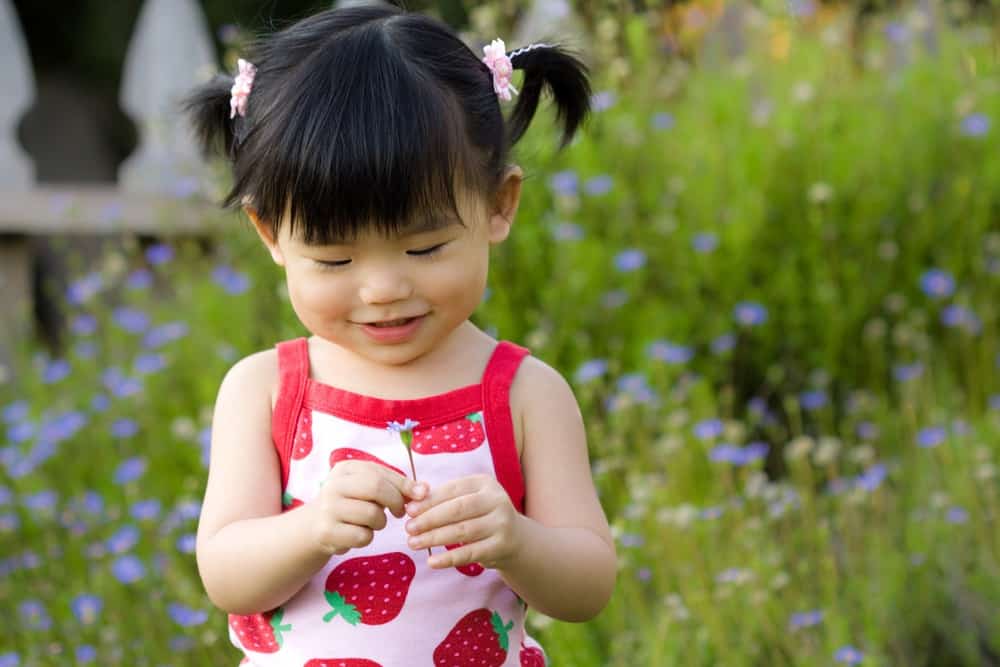
Credit: momlovesbest.com
A Brief Introduction To China Baby Names
China is a country rich in tradition, culture, and history that is reflected in almost every aspect of life. This is especially true when it comes to naming newborns. The practice of choosing a baby’s name in china has a deep-rooted history that has been significant for centuries.
In this blog post, we will take a brief look at china baby names, the historical context, and the importance of choosing the right name for your child.
Historical Context Of China Baby Names
China has one of the oldest civilizations in the world, with a rich and diverse cultural heritage. Chinese baby names are influenced by history, culture, literature, and religion. The practice of naming babies in china has undergone a lot of changes over the years.
Here’s a brief overview:
- Ancient times: In ancient times, chinese baby names were often determined by the child’s birthplace, time of birth, or by using a combination of two characters with a specific meaning.
- Imperial times: During the imperial period, a child’s name became more formalized. Names were often chosen based on their auspicious meanings. Gender-specific names also became more common.
- Modern times: Since the beginning of the 20th century, chinese baby names have been influenced by western cultures. Nowadays, parents often choose names for their children based on personal preference or family names.
Importance Of Choosing The Right Name
Choosing the right name for your child is not an easy task, and it shouldn’t be taken lightly. The name you give your child will follow them for the rest of their life, influencing their personality and how others perceive them.
Here are some of the reasons why choosing the right name is so essential:
- Identity: Your name is part of your identity, and it determines how you are addressed by others. A good name can help your child stand out from the crowd and create a positive impression.
- Personality: The meaning of a name can shape a child’s personality. For instance, a name that evokes strength and resilience can inspire a child to be more confident and self-assured.
- Future success: Studies have shown that the name you give your child can influence their future success. A name that is easy to pronounce and remember can help your child to be more confident and desirable to other people.
Choosing the right baby name is a significant decision for every parent. It reflects the culture, history, and tradition that has been passed down for centuries in china. Taking the time to choose a name that is meaningful, memorable, and has a positive connotation can help set your child on the path to a successful and happy life.
The Art Of Naming In China
Naming a baby is one of the important stages in a chinese family. Every name has cultural significance and reflects the hopes and aspirations of the parents for their child’s future. The process of naming is not just about giving a name, but it is an art that has been passed down from generation to generation.
Cultural Significance Of Naming
Naming a baby in china is not just about choosing a word that sounds good; it is a reflection of the child’s place in society. Some of the cultural factors that come into play while naming a baby include:
- Orientation towards auspiciousness: Chinese people believe that a name has the power to shape a child’s life. Therefore, they choose names that are believed to bring good fortune and prosperity.
- Respect for ancestors: Chinese families have a strong sense of respect and attachment to their forebears. They often name their children after grandparents or great-grandparents, as a way of paying tribute to their ancestors.
- Gender roles: Traditionally, gender has played a significant role in chinese naming practices. Male names often revolve around strength and honor, while female names emphasize beauty and grace.
Naming Customs And Traditions In China
Chinese parents have a wide range of customs and traditions to consider while naming their baby. Some of which include:
- Use of five elements theory: Chinese people believe that every person is influenced by one of the five elements, such as metal, wood, water, fire, and earth. By considering the child’s birth date and time, parents choose a name that corresponds to their child’s element.
- Use of chinese zodiac: The chinese zodiac system assigns an animal sign to each year, and parents often choose a name that corresponds with their child’s zodiac sign.
- Use of homophones: Chinese is a tonal language, and many words sound the same but have different meanings. Parents sometimes choose names that sound similar to a positive chinese word, such as happiness or prosperity.
Naming Etiquette In China
Naming a baby in china follows certain etiquette, such as:
- Avoiding unlucky numbers: The number four, in chinese culture, signifies death, so a name with the number four in it is considered unlucky. Similarly, the number eight is viewed as auspicious, so names with the number eight are popular.
- Choosing a professional: Some chinese parents consult with professionals who specialize in naming to choose a name that is appropriate for the child’s future.
- Avoiding negative words: Chinese people believe that words have power, and negative words should be avoided while naming someone. Words that signify weakness or inferiority should be avoided at all costs.
Naming a baby in china involves a lot of cultural significance, customs, and traditions. It is a reflection of the child’s place in society and the hopes and aspirations of the parents for their child’s future.
Different Styles Of China Baby Names
China baby names have a cultural significance and unique charm that is worth exploring. Unlike the western world, china has a tradition of choosing baby names based on the meanings of ancient characters, which are often tied to nature, animals, or virtues.
With this rich history, chinese parents often name their children with the hope of a prosperous and fulfilled life. In this blog post, we will take a closer look at the different styles of china baby names, including traditional chinese names explained, meaningful chinese characters in names, and popular characters used in names.
Traditional Chinese Names Explained
Chinese baby names have been influenced by many cultural factors, such as confucianism, taoism, and buddhism. They often carry strong meanings that reflect traditional virtues or wish for good fortune and prosperity. Chinese names also have a distinct structure: typically, the surname comes first, followed by one or two characters for the given name.
Here are some common types of traditional chinese names:
- Compound names: Chinese names often have two characters, one for each given name. These names often reflect chinese culture and history, such as “yan’an” (沿岸), meaning “along the coast,” or “yuexin” (悦心), meaning “happy heart.”
- Three-character names: Three-character names are less common but still widely used. They often have a strong meaning, such as “shaoqin” (绍勤), meaning “introduce diligence,” or “yanbin” (昌斌), meaning “flourishing talent.”
- Four-character names: Four-character names are rare but still exist. They usually contain two characters of the given name. For example, “guangming” (光明), meaning “bright and clear,” or “dongfangjing” (东方晶), meaning “crystal of the east.”
Meaningful Chinese Characters In Names
Chinese characters have deep meanings and symbols, which are often used in baby names for good luck and prosperity. Here are some of the most common chinese characters used in chinese names, along with their meanings:
- 福 (fú) – happiness and prosperity
- 春 (chūn) – spring and new beginnings
- 美 (měi) – beauty and elegance
- 龙 (lóng) – dragon, a symbol of power and good fortune
- 芳 (fāng) – fragrant and elegant
- 瑞 (ruì) – auspicious and lucky
Chinese parents often combine these characters to create meaningful compound names for their children.
Popular Characters Used In Names
Chinese names are unique to each individual, but there are commonly used characters that are popular for both boys and girls. These characters have a positive meaning, are easy to remember, and can be combined with other characters for a unique name.
Here are some of the most popular chinese characters used in names:
- 伟 (wěi) – great and grand
- 宇 (yǔ) – universe and space
- 婷 (tíng) – graceful and elegant
- 睿 (ruì) – wise and intelligent
- 晨 (chén) – morning and dawn
- 霖 (lín) – rain and moisture
All in all, choosing a chinese name is a mostly personal decision that reflects one’s cultural identity and value. Whether you want to stick to the traditional or add a modern twist, chinese names have a rich history and beautiful meanings that are worth considering for your beloved baby.
Uniqueness Of China Names: Hidden Meanings And Symbolism
China is known for its rich cultural heritage, and baby naming is not an exception. Chinese baby names have a unique and deep meaning attached to them and are an important tradition in chinese culture. In this blog post, we will delve into the uniqueness of china baby names and explore the hidden meanings and symbolism behind them.
Significance Of Numbers In Chinese Naming
In chinese culture, numbers are considered auspicious and inauspicious, and each number holds a different meaning. Here are some of the most commonly used numbers in chinese baby naming:
- One represents independence and uniqueness.
- Two symbolizes harmony, balance, and unity.
- Three represents creativity, growth, and self-expression.
- Four is considered an unlucky number in china as it sounds like the word for death.
- Five is associated with the five elements – earth, fire, water, gold, and wood – and is said to bring balance and harmony.
- Six is a symbol of luck, success, and wealth.
- Eight is regarded as the luckiest number and is associated with prosperity and good fortune.
- Nine is a symbol of eternity, longevity, and completion.
Yin Yang And Balance In Naming
The concept of yin and yang is an important aspect of chinese culture, and it is believed that everything in the world has a yin and yang balance. The same goes for chinese baby naming. Chinese parents believe that naming their baby with a balance of yin and yang elements brings good luck and fortune.
Here are some examples of yin and yang elements in naming:
- The yin element in a name can be represented by words such as rain, moon, or jade, symbolizing quiet, feminine, and calm qualities.
- The yang element can be represented by words such as dragon, sun, or fire, symbolizing strong, masculine, and active qualities.
How To Understand The Hidden Meanings In China Baby Names
Chinese baby names are not just a combination of random syllables but have a deeper meaning embedded in them. Here are some tips on how to understand the hidden meanings behind china baby names:
- Look for the numbers and their associated meanings.
- Understand the meaning of different characters and their combinations.
- Consider the pronunciation and how it sounds together with other words.
- Research the context behind the name – it could be a reference to a poem, a place, or a historical figure.
Naming a baby in china is not only about the sound but also about the meaning and symbolism associated with the name. Chinese parents put a lot of thought and effort into naming their baby, and the name they choose carries a lot of weight and significance.
By understanding the uniqueness of chinese baby names and the hidden meanings and symbolisms, we can gain a deeper appreciation of the rich cultural heritage of china.
Modern China Names: A Blend Of Old And New
China baby names: modern china names: a blend of old and new
China is an ancient and fantastic country with a rich heritage and history. Every aspect of chinese culture is reflected in the country’s naming conventions. China has a rich history of naming their babies, and over the millennia, many naming conventions have emerged.
These conventions have evolved and been refined to mirror the changing values and beliefs of chinese society. Today, modern chinese names are a blend of old and new, reflecting the same cultural mix that characterizes the country itself.
Popular Trends In Modern Chinese Naming:
The chinese naming convention has two important components – the family name and the given name. In recent times, there has been an increase in the popularity of unique given names, reflecting the changing attitudes of the chinese society. In modern times, some popular trends we see in modern chinese naming are:
- The adoption of english names.
- Westernization of chinese names.
- Shortened nicknames replacing long given names.
- Modern names that have ancient roots.
Reasons Why Modern Chinese Naming Is Gaining Popularity:
As with many other cultures, the reasons for the increased popularity of modern chinese baby naming are varied and complex. Here are some of the reasons why more chinese parents are opting for modern names:
- Modern names are more easily pronounced in english and other languages.
- Modern names appeal to a broader audience, making them easier for children to integrate with people from other cultures.
- Modern names have fewer historical or cultural associations that some parents would like to avoid.
- Modern names are creative and unique, and parents often seek to give their child a name that stands out in a crowd.
Unique Modern China Baby Names Examples:
Choosing modern chinese baby names that reflect the individuality of the child can be a daunting task for parents. Here are some unique modern chinese baby names examples that you may not have heard before, but that are growing in popularity:
- An: Meaning “peaceful”.
- Bao: Meaning “precious” or “precious treasure”.
- Cai: Meaning “gift of love.”
- Dian: Meaning “spot” or “mark.”
- En: Meaning “grace” or “kindness.”
Modern chinese baby naming is a reflection of the changing values and beliefs of chinese society, and a mix of old and new. Parents who seek to give their child a unique and creative name, while still reflecting their cultural heritage, can choose from a variety of modern chinese baby names that are growing in popularity.
Choosing The Best Name For Your Baby
China Baby Names: Choosing The Best Name For Your Baby
Are you a first-time parent looking for the perfect chinese name for your baby? Choosing a name for your little one is a big decision that requires careful consideration. Here are some tips and factors to consider when selecting a china baby name.
We’ll also provide you with some popular chinese trends and traditions and modern china baby naming tools to help you make the best decision for your little one.
China Baby Name Selection Tips:
When choosing a china baby name, consider the following tips:
- Keep it simple: Select a name that is easy to pronounce and write, both in chinese and english versions.
- Check the meanings: Understand the meaning and cultural significance of the name before selecting it.
- Consider astrology and numerology: In chinese culture, astrology and numerology play an important role in choosing a baby name. Choose a name based on your baby’s birth date and zodiac sign or lucky number.
- Personalize it: Incorporate your family names, heritage, or culture to make the baby name unique.
Factors To Consider When Choosing A China Baby Name:
Selecting a baby’s name must include taking into consideration various factors. Here are some of them:
- Syllables and pronunciation: Chinese words have distinct syllables and pronunciations. Consider choosing a name with a soft, flowing sound to make it easy for your baby to pronounce.
- Cultural significance: Chinese culture has a rich history and believes in traditional values, so avoid choosing a name that may offend or belittle our tradition.
- Gender: In some cultures, certain names are strictly for boys or girls. For example, a name like “cheng” is typically given to males, while “mei” is commonly given to females.
- Modernization: With the modernization of chinese culture, there has been a shift in the preference of traditional and modern names alike.
China Baby Name Ideas Based On Popular Chinese Trends And Traditions:
Chinese naming traditions differ from those of western culture. Here are some popular chinese trends and traditions to consider when selecting a name:
- Naming after ancestral names and chinese characters: Chinese names often have underlying meanings and interpretations unique to every character. Some popular traditional names include “yong” (brave, courageous) and “heng” (perseverance, steadfastness).
- Astrology and numerology: Chinese culture emphasizes the importance of zodiac signs and lucky numbers. The character “ji” (吉), for example, means “lucky” and is commonly included in chinese names.
- Nature and animals: Many chinese names are derived from natural elements or animals that symbolize good luck or power, such as “ling” (fawn) and “yan” (swallow).
- Western influence: Modernization has made western names increasingly popular. For example, names like “david” or “sophie” are common among young chinese.
Modern China Baby Naming Tools:
As technology advances, new tools have emerged to help parents choose a name for their baby. Here are some modern china baby naming tools to consider:
- Name generator apps: These apps generate chinese names based on different criteria like name meaning, astrological sign, or character combination.
- Name books: There are various books on chinese names, providing a wide range of options to consider while choosing a name.
- Consultation with a language expert: Seeking assistance from a language expert, like a chinese teacher or translator, can help select a name with appropriate pronunciation and meaning.
Selecting a baby name is an important decision, with various factors to consider. With this guide, you are now equipped with tips, factors to consider, trendy traditions, and modern tools to help choose the perfect china baby name for your little one.
Conclusion
After exploring china’s various traditions and cultural beliefs, it’s evident that baby names carry a significant meaning. Naming a baby in china is not just about giving them a fashionable or popular name, but it’s a way to reflect their family’s values, aspirations, and blessings.
Parents usually seek the advice of numerologists, fortune-tellers, and astrologers to choose the perfect name for their little ones. The chinese language has an abundance of homophones and layered meanings, which makes naming a baby even more challenging, but also more rewarding.
Knowing the importance of baby names in china, we can expect them to continue to play a vital role in the country’s culture and traditions. Whether you are looking to name your baby or simply intrigued by the significance of chinese names, this post has given you an overview of the history, meanings, and trends in china baby names.

