
Is Pregnancy Pills Good for Health: Debunking Myths and Facts.
Pregnancy pills, also known as birth control pills, are good for preventing pregnancy, but their impact on overall health varies from person to person. Birth control pills have been widely used as a form of contraception for decades.
These pills contain synthetic hormones that suppress ovulation and thicken cervical mucus to prevent the sperm from reaching the egg. While some women may experience side effects such as headache, nausea, and irregular periods, birth control pills have also been shown to have several health benefits such as reducing the risk of ovarian and endometrial cancer and decreasing the severity of acne.
However, it’s essential to consult a healthcare provider to determine if birth control pills are right for you based on your medical history and any preexisting conditions. Additionally, using condoms along with birth control pills can provide extra protection against sexually transmitted infections.
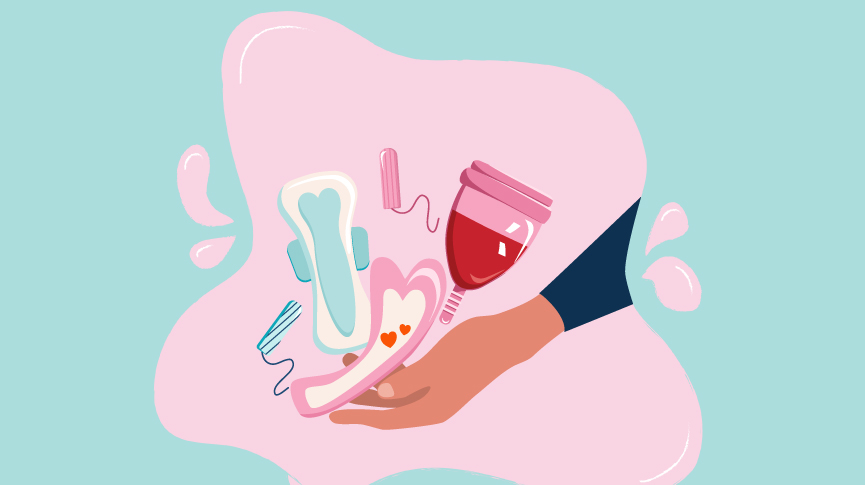
Credit: www.intimina.com
What Are Pregnancy Pills?
Pregnancy pills are commonly prescribed to women who want to avoid unintended pregnancies. They work by preventing ovulation or fertilization of the egg. The available types of pregnancy pills can differ based on the hormones they contain. Prescription pills have a larger dose compared to over-the-counter options.
It is important to consult a medical professional before taking any medication for pregnancy. certain lifestyle factors such as smoking and obesity can increase the risk of side effects caused by pregnancy pills. Overall, pregnancy pills can offer an effective way to manage family planning.
The Benefits Of Taking Pregnancy Pills
Pregnancy pills are highly beneficial for women’s overall health. They help in providing essential nutrients required by the body during pregnancy. These pills also contain folic acid, which is vital for the development of the baby’s neural tube. According to research studies, taking pregnancy pills for at least one year before conception can reduce the risk of neural tube defects by up to 70%.
Pregnancy pills also aid in reducing morning sickness, controlling gestational diabetes, and preventing premature labor. Moreover, taking these pills can help prevent iron deficiency anemia, which is a common concern during pregnancy. Overall, these pills are an excellent way to ensure that both the mother and baby stay healthy throughout the pregnancy period.
The Myths Surrounding Pregnancy Pills
Pregnancy pills are a popular form of contraception. Many women believe that using these pills may have harmful side effects on their health. However, research shows that these concerns are often based on myths and misconceptions. By examining the common myths surrounding pregnancy pills and analyzing the facts, we can understand that these pills are safe and effective.
For instance, one myth suggests that pregnancy pills can increase the risk of cancer. However, studies have proven that this is not true. In fact, pregnancy pills may reduce the risk of ovarian and endometrial cancers. Similarly, concerns about weight gain as a side effect of pregnancy pills are also baseless.
Overall, it is important to be well-informed and rely on facts rather than fallacies when making health-related decisions.
The Facts About Pregnancy Pills
Pregnancy pills have been a hot topic of discussion, with many myths surrounding their use. However, it is important to explore the facts surrounding these pills before arriving at any conclusions. Prescription pregnancy pills have been proven to be effective, but they may come with certain risks.
On the other hand, over-the-counter pregnancy pills may be convenient, but they may not be as effective as prescription options. It is crucial to take pregnancy pills as directed by the doctor and in the correct dosage to ensure maximum health benefits while minimizing any potential risks.
Lastly, it is recommended to discuss all options with a trusted healthcare professional and make an informed decision.
Conclusion
Based on the various aspects we have discussed above, we conclude that pregnancy pills can be beneficial for women’s health, depending on their specific needs. These pills provide a convenient and safe method for preventing unwanted pregnancies, regulating menstrual cycles and reducing the risks of ovarian and endometrial cancers.
However, they also come with potential risks and side effects, including hormonal imbalances, blood clotting, and alter breast milk production. Therefore, it is crucial to consult a qualified healthcare provider to determine if pregnancy pills are appropriate and safe for you.
Additionally, it’s advisable to research the available brands and their ingredients, especially if you have a history of medical conditions. By being well-informed and taking necessary precautions, you can make an informed decision that balances the benefits and risks of pregnancy pills.

