
Ultimate Travel Guide: What to Know Before You Travel to France

Before traveling to france, it is important to know the country’s visa requirements, local customs, and popular tourist attractions to make the most of your trip. France is a country filled with rich history, stunning architecture, delicious food, and vibrant culture.
Whether you are planning a romantic getaway to paris, exploring the beautiful french riviera, or discovering the picturesque scenery of provence, there are a few things you should know before visiting this iconic destination. Firstly, check the visa requirements and make sure you have all the necessary documents in order to enter the country.
France is a part of the schengen agreement, so depending on your nationality, you may need to obtain a schengen visa before you travel. Understanding french customs and cultural etiquette is also essential. French people are known for their politeness, so be sure to say “bonjour” when entering stores or restaurants, and “merci” when leaving. Furthermore, it’s common to greet people with a kiss on both cheeks, so don’t be surprised if you encounter this gesture. Finally, research the popular tourist attractions and create an itinerary that suits your interests. Whether you want to explore iconic landmarks like the eiffel tower and louvre museum, indulge in french cuisine, or visit charming villages in the countryside, planning ahead will ensure you don’t miss out on the highlights. By familiarizing yourself with these important aspects, you can have a smooth and enjoyable trip to france, creating memories that will last a lifetime.
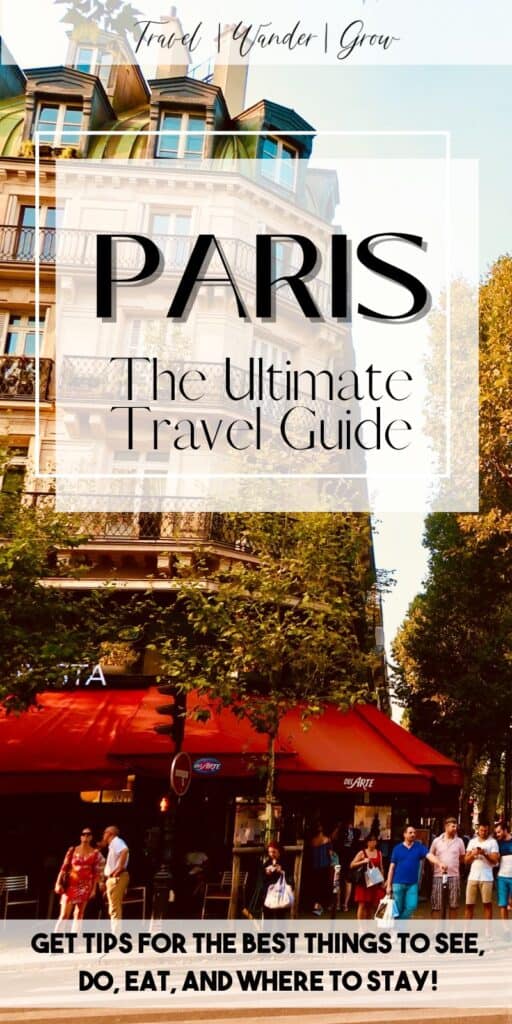
Credit: travelwandergrow.com
Introduction To Traveling To France
France, with its breathtaking landscapes, iconic landmarks, and world-renowned cuisine, is a destination that captures the hearts of travelers from around the globe. Whether you’re an art enthusiast exploring the louvre or a history buff wandering through the medieval streets of provence, france offers a wealth of experiences that are sure to leave you enchanted.
Before you embark on your journey to the land of baguettes and berets, here are a few key points to keep in mind:
Why France Is A Popular Tourist Destination:
- Rich history: France boasts a fascinating history that dates back centuries. From the grandeur of versailles to the charming cobblestone streets of mont saint-michel, the country is a living testament to its past.
- Art and culture: France is synonymous with artistic and cultural heritage. The streets of paris exude an air of creativity, with world-class museums showcasing masterpieces by renowned artists such as monet and renoir.
- Iconic landmarks: Eiffel tower, notre-dame cathedral, and the palace of versailles are just a few of the iconic landmarks that make france an irresistible destination for travelers seeking to tick off their bucket list.
Overview Of France’S Rich Culture And History:
- Gastronomy: France is a paradise for food lovers. Indulge in exquisite pastries, aromatic cheeses, and fine wines that are deeply rooted in french culinary traditions.
- Fashion and style: Known as the fashion capital of the world, france is a trendsetter when it comes to haute couture. From the runways of paris fashion week to the chic boutiques lining the streets, the country is a playground for fashion enthusiasts.
- Le joie de vivre: French people take pleasure in enjoying the simple pleasures of life. Embrace the laid-back lifestyle as you savor a cafe au lait at a sidewalk cafe or stroll through picturesque gardens.
Best Time Of The Year To Visit France:
- Spring (april to june): The mild temperatures and blooming flowers make spring an ideal time to explore france. The crowds are generally smaller, allowing for a more intimate experience at popular attractions.
- Summer (july to august): France comes alive during the summer months, with festivals, outdoor markets, and open-air concerts filling the calendar. However, be prepared for larger crowds and higher prices during this peak tourist season.
- Fall (september to november): As the leaves change colors and the vineyards harvest their grapes, autumn paints france in a beautiful palette. The weather is still pleasant, and the attractions are less crowded, making it a great time to visit.
- Winter (december to february): While the temperatures may be chilly, winter in france has its own charm. Festive markets, cozy cafes, and the opportunity to hit the ski slopes in the french alps make it a magical time to explore the country.
With its captivating charm, france offers a tapestry of experiences that cater to every traveler’s interests. From historical landmarks to mouthwatering cuisine, this enchanting country is sure to leave an indelible mark on your soul. So, pack your bags, immerse yourself in the joie de vivre, and let france weave its magic on you.
Bon voyage!
Planning Your Trip To France
France is a dream destination for many travelers, offering a rich history, captivating culture, and picturesque landscapes. But before you hop on a plane and explore the city of lights or bask in the beauty of the french riviera, there are a few important aspects you need to consider to ensure a smooth and enjoyable trip.
Planning your trip to france involves researching and selecting your destinations within the country, obtaining the necessary travel documents, and booking your flights. Let’s delve into these key points:
Researching And Selecting Your Destinations Within France
To make the most of your trip to france, it’s essential to research and carefully select the destinations you want to visit. Consider the following:
- Explore the diverse regions: France consists of multiple regions, each with its own unique charm. Research the different regions, such as provence, normandy, or the french alps, and determine which ones align with your interests and preferences.
- Cultural and historical significance: France is renowned for its historical landmarks and cultural heritage. Identify the iconic attractions, museums, and historical sites that you don’t want to miss, such as the eiffel tower, louvre museum, or palace of versailles.
- Natural wonders: France boasts stunning natural landscapes, from the lavender fields of provence to the rugged coastline of brittany. Look up the natural wonders that appeal to you, whether it’s the french countryside or the beautiful beaches of the french riviera.
How To Obtain The Necessary Travel Documents
Before embarking on your french adventure, it’s crucial to have the required travel documents in order. Here’s what you need to know:
- Passport validity: Ensure that your passport is valid for at least six months beyond your planned stay in france. If your passport is about to expire, consider renewing it before your trip.
- Visa requirements: Depending on your nationality, you may need a visa to enter france. Check the visa requirements well in advance and apply accordingly.
- Health and travel insurance: It’s advisable to have travel insurance that covers medical emergencies and trip cancellations. Additionally, check if any specific vaccinations are recommended for your trip to france.
Booking Your Flights To France
Booking your flights to france requires careful consideration to secure the best options. Consider these points:
- Preferred airports: Determine which airports in france best suit your travel plans. Whether it’s paris charles de gaulle, nice côte d’azur, or lyon-saint exupéry, choose the airport that provides convenient connections to your desired destinations.
- Timing and flexibility: Be flexible with your travel dates to find the most affordable fares. Consider traveling during off-peak seasons or mid-week when prices tend to be lower.
- Connecting flights: If there are no direct flights available from your location, consider booking connecting flights. Check the layover duration and ensure you have ample time to make your connections.
Planning your trip to france may take some time and effort, but the rewards are well worth it. By researching and selecting your destinations, obtaining the necessary travel documents, and booking your flights strategically, you’ll ensure a memorable and hassle-free experience in this captivating country.
So, get ready to indulge in french culture, cuisine, and all that this enchanting destination has to offer. Bon voyage!
Understanding French Culture And Customs
Embracing The French Way Of Life
France is known for its rich history, stunning architecture, and delectable cuisine. But to truly immerse yourself in the french culture, it’s important to understand and embrace the french way of life. From the vibrant street markets to the leisurely café culture, here are some key points to help you make the most of your trip to france:
- Slow down and savor the moment: The french appreciate taking their time and enjoying life’s pleasures. Embrace the relaxed pace and indulge in long meals, leisurely strolls, and meaningful conversations.
- Dress stylishly: French fashion is revered around the world. To blend in with the locals, opt for classic and elegant attire. Avoid flashy logos and opt for timeless pieces that exude sophistication.
- Respect personal space: The french value their personal space, so it’s important to maintain a reasonable distance when engaging in conversations. Avoid overly familiar gestures or touching unless you have developed a close relationship.
- Bon appétit: French cuisine is a highlight of any visit to france. Embrace the culinary traditions by enjoying a variety of cheeses, wines, and delicacies. Remember to keep your hands on the table during meals, as resting your wrists beneath the table is seen as impolite.
- Greetings and farewells: When meeting someone for the first time, it’s customary to shake hands. For closer acquaintances, a kiss on both cheeks is common. When leaving, don’t forget to say “au revoir” or “à bientôt” (goodbye or see you soon) to show your appreciation.
Etiquette And Customs To Be Aware Of
To ensure a smooth and respectful visit to france, it’s important to familiarize yourself with the country’s etiquette and customs. Here are some key points to keep in mind:
- Punctuality: Being on time is highly valued in france. It is considered polite to arrive promptly for appointments, meetings, and social gatherings. If you anticipate being late, it’s courteous to notify the person in advance.
- Polite gestures: French culture places importance on using manners and politeness. Saying “s’il vous plaît” (please) and “merci” (thank you) goes a long way in showing respect. It’s also customary to greet shopkeepers with a friendly “bonjour” before asking for assistance.
- Queuing: In france, queuing is a common practice. Whether you’re waiting in line at a museum or ordering food at a boulangerie, be patient and wait your turn. Cutting in line is considered rude.
- Tipping: In restaurants, a service charge is typically included in the bill. However, it is customary to leave a small tip if you were satisfied with the service. Leaving around 5-10% of the total bill is appreciated.
- Public behavior: Keep noise levels to a minimum, especially in public places such as libraries or on public transportation. Using headphones and speaking softly in these settings is considered polite.
Language Tips And Common Phrases For Travelers
While it’s possible to navigate france with minimal knowledge of the french language, learning a few basic phrases can go a long way in enhancing your travel experience. Here are some essential phrases to familiarize yourself with:
- “bonjour” – hello/good day
- “merci” – thank you
- “s’il vous plaît” – please
- “excusez-moi” – excuse me
- “parlez-vous anglais?” – do you speak english?
- “où est la gare?” – where is the train station?
- “combien ça coûte?” – how much does it cost?
- “je voudrais” – i would like
- “l’addition, s’il vous plaît” – the bill, please
- “où sont les toilettes?” – where are the toilets?
By familiarizing yourself with these basic phrases, you’ll be able to navigate everyday situations with ease and show your respect for the local language and culture. So embrace the french way of life, be mindful of customs and etiquette, and enhance your travel experience in beautiful france.
Navigating Transportation In France
Getting Around Major Cities In France
Exploring the vibrant cities of france can be an exciting experience, but it’s essential to have a plan for getting around. Here are some key points to consider when navigating transportation in major french cities:
- Efficient public transportation: Most major cities in france have an extensive and efficient public transportation system. This includes buses, trains, and metro systems that can take you to all the popular tourist attractions and hidden gems within the city.
- Metro networks: The metro is a popular choice for getting around in cities like paris, lyon, and marseille. With well-connected lines and frequent train intervals, it offers a convenient and speedy way to travel within the city.
- Buses: Buses are another reliable mode of transportation in french cities. They cover a broader area than the metro and can be a great option for reaching destinations that are not easily accessible by train.
- Trams: Some cities in france, like bordeaux, nantes, and strasbourg, have modern tram networks. These trams provide a comfortable and efficient way to explore the city, with a well-planned route that covers key areas.
- Bicycles and scooters: In recent years, the popularity of bicycles and electric scooters has grown in french cities. Bike-sharing programs and scooter rental services are readily available, allowing you to enjoy a more eco-friendly and leisurely way of getting around.
- Walking: Don’t underestimate the joy of exploring a city on foot. Many french cities have compact city centers that are perfect for leisurely strolls, especially when the weather is pleasant. Walking also gives you the opportunity to discover charming side streets and unexpected sights.
Using Public Transportation Options
Public transportation in france is generally well-maintained and offers a cost-effective and efficient way to travel. Here are the key points you need to know when using public transportation options:
- Ticketing systems: Most french cities operate on a ticketing system that allows you to use the same ticket across different modes of transportation within a specific timeframe. It’s essential to familiarize yourself with the ticket validation process, be it validating your ticket at the station or on board a bus.
- Pass options: Depending on your length of stay and frequency of travel, it may be beneficial to consider pass options such as daily or weekly passes for unlimited travel within a designated area. These passes can provide substantial savings compared to buying individual tickets for each trip.
- Timetables and schedules: It’s vital to familiarize yourself with the timetables and schedules of public transportation, especially if you’re planning to travel during off-peak hours or on weekends. Be sure to check for any service disruptions or changes to avoid any inconvenience.
- Planning ahead: Utilize resources like city transportation websites or apps to plan your routes ahead of time. These platforms provide real-time information on routes, schedules, and any detours, ensuring that you can navigate the city smoothly.
Renting A Car And Driving In France
Renting a car gives you the freedom to explore beyond the city limits and venture into the picturesque countryside of france. If you’re considering renting a car and driving in france, here are some key points to keep in mind:
- Driving requirements: To rent and drive a car in france, you’ll need a valid driver’s license from your home country and an international driving permit (idp) if your license is not in french or english.
- Road rules and regulations: Familiarize yourself with the road rules and regulations in france. This includes following the speed limits, using designated parking zones, and adhering to traffic signs and signals.
- Tolls and road taxes: Keep in mind that france has an extensive toll road network, especially on major highways. It’s essential to have some cash or a credit card on hand to pay the toll fees. Additionally, certain cities require a “crit’air” sticker to drive within the city center, which can be obtained online or at designated stores.
- Parking: Parking can be a challenge in major cities, so it’s advisable to familiarize yourself with parking regulations and available parking options in advance. Look for paid parking garages or designated parking areas to avoid any fines or towing.
- Driving in rural areas: While driving in rural areas can be a serene and scenic experience, it’s important to be cautious of winding roads, narrow streets, and occasional wildlife. Take your time and enjoy the picturesque landscapes, but always prioritize safety.
Whether you choose public transportation or decide to rent a car, navigating transportation in france can be a seamless experience with a little planning and preparation. Enjoy the convenience of city travel or embark on an unforgettable road trip – the choice is yours.
Bon voyage!
Accommodation Options In France
Are you planning a trip to france? If so, it’s important to consider your accommodation options before you go. France offers a wide range of choices for travelers, including hotels, hostels, and vacation rentals. With so many options available, it’s essential to choose the best accommodation for your needs and budget.
Additionally, selecting the right area to stay in can greatly enhance your travel experience, as different cities in france have popular areas that offer unique attractions and amenities. Let’s explore the types of accommodation available in france, as well as tips for choosing the best one and popular areas to stay in different cities.
Types Of Accommodation Available In France: Hotels, Hostels, Vacation Rentals, Etc.
- Hotels: France is known for its exquisite hotels, ranging from luxurious five-star establishments to budget-friendly options. Hotels offer a variety of amenities and services, including room service, concierge assistance, and on-site restaurants.
- Hostels: If you’re traveling on a budget or looking to meet fellow travelers, hostels are a great choice. They provide affordable shared dormitory-style rooms, as well as private rooms, communal areas, and organized activities.
- Vacation rentals: For a more independent and immersive experience, vacation rentals are a popular option. From apartments in the heart of bustling cities to charming cottages in rural areas, vacation rentals offer flexibility and a home-like feel.
- Bed and breakfasts: For a cozy and personalized stay, consider a bed and breakfast. These accommodations often offer charming rooms and a delicious breakfast prepared by the host.
- Campsites: Nature enthusiasts will enjoy camping in france’s beautiful countryside. Campsites offer the chance to connect with nature and often provide amenities such as showers, toilets, and sometimes even swimming pools.
Choosing The Best Accommodation For Your Needs And Budget
- Determine your budget: Consider how much you’re willing to spend on accommodation and allocate your budget accordingly. This will help you narrow down your options and find the best fit.
- Research amenities and services: Think about the amenities and services that are important to you. Whether it’s free wi-fi, a gym, or a pool, prioritize your preferences to ensure a comfortable stay.
- Read reviews: Take the time to read reviews from previous guests. This will give you insight into the quality, cleanliness, and overall experience provided by the accommodation.
- Consider location: Think about the areas you plan to visit and choose accommodation that is conveniently located. This will save you time and make it easier to explore your chosen destinations.
Popular Areas To Stay In Different Cities
Paris:
- Marais: Known for its historic charm and trendy shops, this area offers a vibrant atmosphere with plenty of museums and art galleries to explore.
- Saint-germain-des-prés: With its bohemian vibe and famous cafes, this neighborhood is perfect for those seeking a laid-back and cultural experience.
Nice:
- Old town: Get lost in the narrow streets of vieux nice and discover charming shops, local restaurants, and a lively atmosphere.
- Promenade des anglais: Enjoy stunning sea views and walk along the famous promenade des anglais, lined with palm trees and beautiful architecture.
Lyon:
- Vieux lyon: Immerse yourself in lyon’s renaissance heritage as you wander through its narrow, cobbled streets and discover quaint shops and delicious restaurants.
- Presqu’ile: Located between the rhône and saône rivers, this area offers a vibrant mix of shopping, dining, and nightlife options.
When it comes to choosing your accommodation in france, take into account your budget, preferred amenities, and desired location. By carefully considering these factors, you can find the perfect place to stay and have an unforgettable travel experience in the beautiful country of france.
Exploring The Top Attractions In France
France is an enchanting country that captivates visitors with its rich history, stunning landscapes, and captivating culture. Before you embark on your journey to this picturesque destination, it’s important to familiarize yourself with the top attractions that france has to offer.
From iconic landmarks and monuments in paris to charming countryside villages and beautiful coastlines, there is something for everyone to enjoy. So let’s delve into the must-visit attractions and create unforgettable memories in the land of romance.
Must-Visit Landmarks And Monuments In Paris:
- Eiffel tower: Standing tall as an enduring symbol of france, the eiffel tower offers breathtaking panoramic views of the city. Ascend to its lofty heights and witness the charm of paris from above.
- Louvre museum: Explore the world’s largest art museum and be mesmerized by its priceless treasures, including leonardo da vinci’s mona lisa. Immerse yourself in centuries of artistry and cultural heritage.
- Notre-dame cathedral: Admire the architectural grandeur of this gothic masterpiece, with its intricate craftsmanship and awe-inspiring stained glass windows. Take a moment to absorb the history and spirituality within its walls.
- Palace of versailles: Step back in time and be transported to the opulent world of french royalty. Wander through magnificent gardens, explore ornate chambers, and marvel at the sheer splendor of this regal palace.
Discovering The Charming Countryside And Picturesque Villages:
- Provence: Delight in the idyllic landscapes of lavender fields, vineyards, and charming hilltop villages in provence. Indulge in the region’s culinary delights and immerse yourself in the laid-back ambiance of rural france.
- Alsace: Journey through the enchanting region of alsace, with its fairytale-like villages nestled against a backdrop of vineyards and rolling hills. Immerse yourself in the unique blend of french and german influences.
- Loire valley: Embrace the romance of the loire valley, home to magnificent châteaux and lush green countryside. Explore the historic castles, stroll through picturesque gardens, and uncover the stories of french nobility.
Exploring The Beautiful Coastline And Pristine Beaches:
- French riviera: Bask in the glamorous allure of the french riviera, with its sparkling azure waters and luxurious resorts. Experience the vibrant atmosphere of cities like nice and cannes, or relax on the sun-kissed beaches of saint-tropez.
- Normandy: Discover the historic beaches of normandy, where the d-day landings took place during world war ii. Pay tribute to the bravery of soldiers and explore charming seaside towns that exude rustic charm.
- Corsica: Immerse yourself in the natural beauty of corsica, an island paradise boasting rugged mountains, golden beaches, and crystal-clear waters. Hike through picturesque trails, soak up the sun on pristine shores, and savor the local cuisine.
France offers an array of unforgettable attractions that will leave you spellbound. Whether you choose to explore the iconic landmarks in paris, meander through picturesque villages, or relax by the stunning coastline, this country is sure to capture your heart and create memories to last a lifetime.
So, get ready to embark on a journey through the wonders of france.
Experiencing French Cuisine And Wine
France is a country renowned for its rich history, vibrant culture, and mouthwatering cuisine. If you’re planning a trip to france, one aspect you shouldn’t miss is experiencing the delectable french cuisine and wine. From indulging in traditional french dishes to exploring regional specialties, there is something to satisfy every palate.
So, before you embark on your culinary adventure in france, here are a few key points to keep in mind:
Indulging In Traditional French Dishes And Regional Specialties:
- French cuisine is known for its emphasis on fresh, high-quality ingredients, and time-honored cooking techniques.
- Indulge in classics such as coq au vin, ratatouille, bouillabaisse, and escargots de bourgogne.
- Each region in france has its own culinary specialties, so be sure to try regional dishes like cassoulet in the southwest, quiche lorraine in the northeast, or bouillabaisse in the south of france.
- Don’t forget to satisfy your sweet tooth with a visit to a local patisserie for iconic french pastries like croissants, macarons, and tarte tatin.
Dining Etiquette And Tips For Experiencing Local Cuisine:
- French dining etiquette is an important part of the culinary experience. Learn the basics such as waiting for everyone to be served before eating, keeping your hands on the table, and using utensils appropriately.
- Make reservations in advance, especially at popular restaurants. Many establishments have limited seating and can fill up quickly.
- When dining out, take the time to savor your meal and enjoy the experience. French meals are typically longer and emphasize socializing and savoring the flavors.
- Explore local markets and food markets to discover fresh produce, regional specialties, and a true taste of france.
Wine Regions And Vineyards To Visit In France:
- France is renowned for its exceptional wines, and exploring its diverse wine regions is a must for wine enthusiasts.
- Visit the champagne region in northeastern france and indulge in the world-famous sparkling wine that bears its name.
- Explore the vineyards of bordeaux, known for its exceptional red wines crafted from blends of cabernet sauvignon, merlot, and other varietals.
- Head to the picturesque region of burgundy, where you can taste exquisite chardonnay and pinot noir wines.
- The loire valley is home to a variety of wine styles, including crisp sauvignon blanc and elegant chenin blanc.
- In the rhône valley, discover robust red wines from syrah, while alsace offers aromatic white wines like riesling and gewürztraminer.
Immerse yourself in the culinary delights of france and explore the country’s rich gastronomy, regional specialties, and world-renowned wines. From the traditional dishes to the dining etiquette and wine regions, each aspect will enhance your travel experience and create lasting memories.
So, prepare your taste buds for a culinary journey like no other in the heart of france.
Safety Tips For Traveling In France
France is a dream destination for many travelers, with its rich history, stunning architecture, and delicious cuisine. However, like any other country, it’s important to be aware of the potential safety risks when traveling to france. Whether you’re exploring popular tourist areas or navigating through bustling cities, it’s vital to stay vigilant and informed.
In this section, we’ll cover some essential safety tips that will help ensure a smooth and secure trip.
Staying Safe In Crowded Tourist Areas:
- Be mindful of your surroundings and stay alert at all times.
- Avoid flashing valuables such as expensive jewelry or large amounts of cash.
- Keep your personal belongings secure and close to your body to minimize the risk of theft.
- Stay in well-lit and populated areas, especially at night.
- Familiarize yourself with the emergency exits and evacuation procedures of major tourist attractions.
- If something feels off or suspicious, trust your instincts and remove yourself from the situation.
Dealing With Pickpockets And Scams:
- Keep your belongings secure by using a money belt or a concealed bag.
- Avoid keeping all your cash and cards in one place; distribute them across different pockets.
- Stay cautious of distractions, such as individuals bumping into you or groups attempting to create a commotion.
- Be wary of unsolicited offers or overly friendly strangers, as they may be attempting to scam you.
- If you do become a victim of pickpocketing or scams, report the incident to the local authorities and your embassy or consulate.
Emergency Contact Information And Resources:
- Save emergency numbers such as the local police (17), ambulance (15), and fire department (18) on your phone.
- Carry a printout or digital copy of your passport, visa, and other important travel documents.
- Familiarize yourself with the location of the nearest hospital, embassy/consulate, and police station.
- If you require assistance or information, reach out to local law enforcement or use tourist helplines.
- Consider purchasing travel insurance that covers emergency medical expenses and repatriation.
By following these safety tips, you can navigate through france with confidence and enjoy all that this beautiful country has to offer. Remember, being prepared and informed is key to ensuring a memorable and secure travel experience.
Shopping And Souvenir Ideas In France
France is renowned for its charm, history, and culture, making it a sought-after destination for travelers from around the world. Aside from its iconic landmarks and delicious cuisine, france is also a shopping paradise. Whether you’re searching for high-end fashion, unique antiques, or delectable local treats, there’s something for everyone.
Before embarking on your shopping spree, it’s essential to know where to find the best shopping districts, what popular products and souvenirs to bring back home, and the cultural and etiquette considerations when shopping in france.
Where To Find The Best Shopping Districts In France:
- Paris: The capital city is a haven for fashion lovers, with world-famous shopping destinations like the champs-élysées, rue du faubourg saint-honoré, and le marais. From luxury boutiques to department stores, you’ll find an array of options to satisfy your fashion cravings.
- Marseille: This vibrant port city in the south of france boasts diverse shopping experiences. Head to the old port area for local markets and artisanal crafts, or explore the upscale boutiques in the city center.
- Nice: Located on the french riviera, nice offers a mix of high-end boutiques and charming markets. Visit the promenade des anglais or the pedestrian-friendly avenue jean médecin for a delightful shopping experience.
Popular French Products And Souvenirs To Bring Back Home:
- Fashion: France is synonymous with style, so it’s no surprise that fashion items rank high on the shopping list. Look for designer clothing, accessories, and perfumes from renowned french brands like chanel, louis vuitton, and dior.
- Wine and cheese: Indulge in the flavors of france by bringing back locally-produced wines and delicious cheeses. Each region has its own specialties, so don’t miss the opportunity to taste and take home these gastronomic delights.
- Perfume: French perfumes are coveted worldwide for their exquisite scents and craftsmanship. Visit perfume houses in grasse, the perfume capital of france, or explore boutique fragrance stores in major cities.
Cultural And Etiquette Considerations When Shopping In France:
- Greetings: When entering a shop, it’s customary to greet the shopkeeper with a friendly “bonjour” or “bonsoir,” depending on the time of day. This polite gesture sets a positive tone for your shopping experience.
- Dress code: While there’s no strict dress code, it’s advisable to dress neatly and avoid overly casual attire when shopping in france. Remember that the french take pride in their fashion sense, so do make an effort to look presentable.
- Opening hours: Many shops in france follow a traditional schedule, with closures for lunch and sunday. Plan your shopping accordingly and check the opening hours in advance to avoid disappointment.
Shopping in france offers a delightful blend of luxury, style, and cultural treasures. Explore the best shopping districts in paris, marseille, and nice to find unique products and souvenirs. Whether it’s fashion, wine, cheese, or perfume, there’s something for every discerning shopper.
Remember to adapt to the cultural and etiquette norms, and enjoy the pleasure of shopping in beautiful france.
Budgeting For Your Trip To France
France is a country known for its rich culture, iconic landmarks, and delectable cuisine. Whether you’re planning a romantic getaway to paris or exploring the beautiful countryside, it’s important to set a realistic budget for your trip. Understanding the cost of living in france, setting a realistic travel budget, and learning some tips for saving money while traveling can help you make the most of your experience.
Here’s what you need to know:
Understanding The Cost Of Living In France
- France is considered to have a relatively high cost of living compared to many other countries.
- Prices for accommodation, dining, and transportation can vary significantly depending on the region you visit.
- Big cities like paris tend to be more expensive than smaller towns or rural areas.
- It’s essential to research and consider the average daily expenses for the places you plan to visit to get an accurate estimate of your budget.
Setting A Realistic Travel Budget
- Determine the duration of your trip and allocate the amount you are comfortable spending per day.
- Consider the cost of accommodation, meals, transportation, attractions, and any other activities you plan to indulge in.
- Be realistic about your spending habits and prioritize your must-see/do experiences.
- It’s always a good idea to leave some wiggle room in your budget for unexpected expenses or spontaneous adventures.
Tips For Saving Money While Traveling In France
- Opt for budget accommodations like hostels, guesthouses, or vacation rentals instead of luxury hotels.
- Take advantage of the excellent public transportation system in france, such as trains and buses, as they can be more affordable than renting a car.
- Enjoy local cuisine by visiting bakeries, street markets, and small local restaurants, which often offer delicious and reasonably priced meals.
- Plan your visits to museums and attractions strategically by taking advantage of discounted or free admission days.
- Consider purchasing a city pass or attraction passes that offer discounts on multiple sights and activities.
- Explore free activities like walking tours, parks, and public gardens.
- Save money on beverages by opting for tap water or buying drinks at grocery stores instead of restaurants or cafes.
- Look for deals and discounts on websites, travel forums, or social media groups specifically catering to travelers visiting france.
Remember, budgeting for your trip to france is not just about saving money. It’s about striking a balance between experiencing the best of france while not overspending. Plan ahead, research thoroughly, and make informed choices to ensure a memorable and affordable trip.
Frequently Asked Questions On What To Know Before You Travel To France
What Is The Best Time To Visit France?
The best time to visit france is during the spring (april to june) and fall (september to november) when the weather is pleasant and tourist crowds are smaller. However, summer (july and august) is also popular due to vibrant festivals and outdoor activities.
Do I Need A Visa To Travel To France?
If you are a citizen of the eu or certain other countries, you do not need a visa to enter france for stays up to 90 days. However, citizens of other countries may need to obtain a schengen visa before traveling.
Check the official website of the french ministry of foreign affairs for specific requirements.
Is English Widely Spoken In France?
While french is the official language, english is commonly spoken in tourist areas and major cities. However, it’s always helpful to have some basic knowledge of french phrases to navigate through smaller towns and non-touristy areas.
What Is The Currency Used In France?
The official currency of france is the euro (€). Most businesses, including hotels, restaurants, and shops, accept major credit cards. It’s always a good idea to carry some cash for smaller establishments and street markets.
Is It Safe To Travel To France?
France is generally safe to travel to, but like any other destination, it’s important to exercise common sense and take necessary precautions. Be vigilant against pickpocketing in crowded areas, and stay informed about any travel advisories or local safety guidelines before your trip.
What Attractions Should I Visit While In France?
France offers a plethora of attractions, ranging from iconic landmarks like the eiffel tower and louvre museum in paris to stunning coastal regions like the french riviera. Other must-see destinations include the historic city of versailles, the medieval village of mont saint-michel, and the world-renowned wine regions like bordeaux and champagne.
Conclusion
As you prepare for your journey to france, keep in mind these important points. Familiarize yourself with the french culture, customs, and language to enhance your experience. Planning ahead and obtaining necessary travel documents will ensure a smooth entry into the country.
Take advantage of the diverse and delicious cuisine by trying regional dishes and visiting local markets. Prioritize your sightseeing to make the most of your time, and consider exploring lesser-known destinations for a more authentic experience. Remember to respect the local customs, such as greeting with a kiss on the cheek and avoiding loud conversations in public places.
With these tips in mind, you are now well-prepared to immerse yourself in the beauty and charm of france. Bon voyage!


